Managing your money without a clear system is like flying blind. That’s where a financial dashboard becomes a game-changer — giving you total visibility, confidence, and control over your finances.
In this guide, you’ll discover why a financial dashboard is essential and get a step-by-step plan to build one, even if you’re starting from scratch.
💡 What Is a Financial Dashboard?
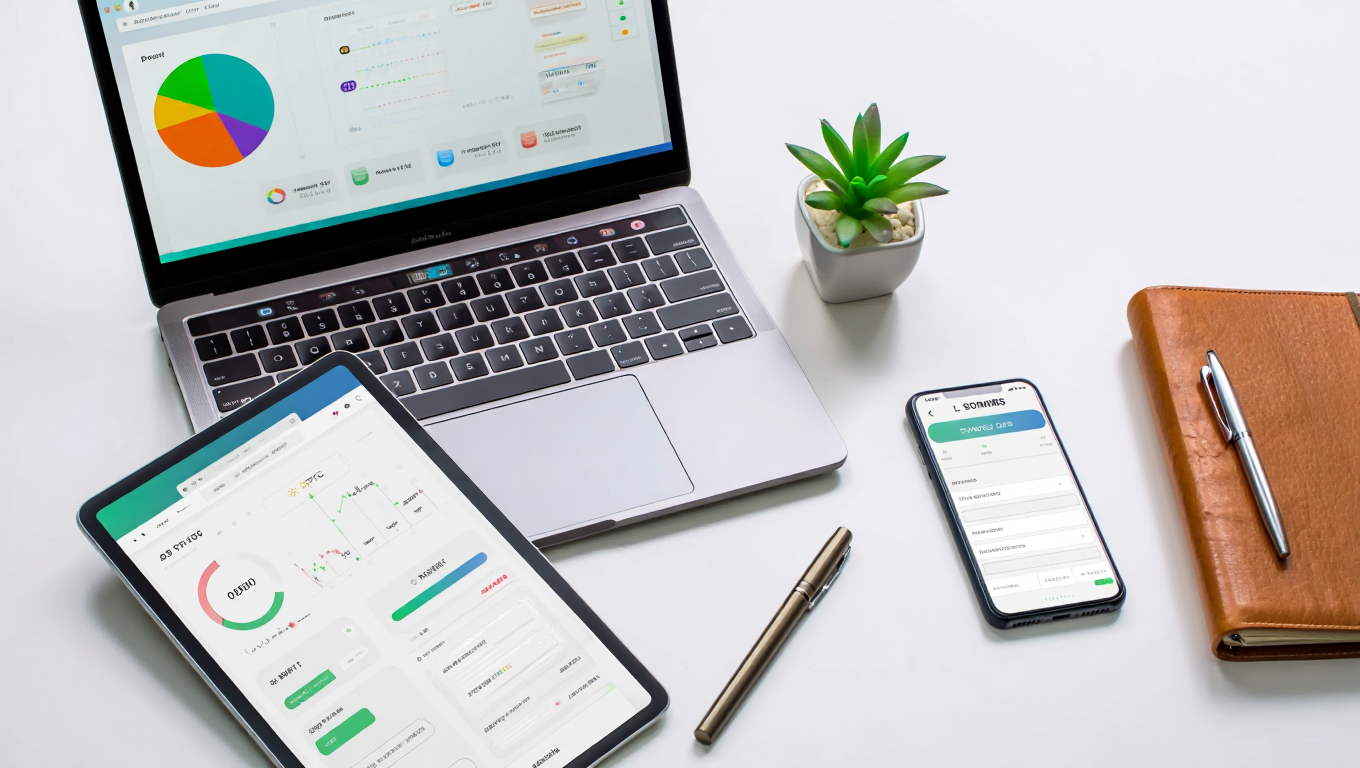
A financial dashboard is your personal “command center” for all things money.
It’s a visual summary that shows:
- Your income
- Your expenses
- Your savings
- Your debt
- Your investments
- Your overall net worth
Instead of logging into multiple apps or digging through bank statements, you have everything you need in one place, at a glance.
Think of it like this:
📊 Bank accounts, credit cards, savings goals, and spending habits — all connected in a simple, easy-to-read format.
🚀 Why You Need a Financial Dashboard
A financial dashboard isn’t just “nice to have.”
It’s a critical tool that can transform your financial life.
Here’s exactly how:
✅ 1. Get Instant Clarity
No more wondering where your money went.
With a financial dashboard, you can immediately:
- See how much you earn
- See how much you spend
- Understand where your money is going
- Identify leaks in your budget
Clarity leads to smarter decisions — fast.
✅ 2. Improve Your Decision-Making
Real-time insights = smarter moves.
Your dashboard shows you:
- If you’re about to overspend
- If your savings are growing or shrinking
- If debts are getting better (or worse)
You can adjust your habits instantly instead of realizing too late.
✅ 3. Track Your Goals in Real-Time
Have goals like:
- Saving for a vacation ✈️
- Paying off student loans 🎓
- Buying a house 🏡
Your dashboard makes it easy to visualize your progress — which keeps you motivated and on track.
Pro Tip: Visual progress bars or goal trackers inside your dashboard boost commitment by 42% (according to behavioral science studies)!
✅ 4. Reduce Financial Stress
Let’s be real:
Money anxiety is real.
The more chaotic your finances feel, the more stressed you become.
A dashboard brings order and structure to your money life, helping you feel:
- Empowered
- Calm
- In control
And that peace of mind?
Priceless.
🛠️ How to Build Your Own Financial Dashboard (Step-By-Step)
Ready to create your own dashboard?
Here’s exactly what to include — and how to set it up perfectly.
📊 Step 1: Track Your Monthly Income
Start by listing all your income sources, including:
- Salary or wages
- Freelance gigs
- Side hustles
- Dividends
- Passive income streams
Break it down into:
- Gross income (before taxes)
- Net income (after taxes)
Tracking both gives you a better understanding of what you actually have to spend and save.
💳 Step 2: Track Your Monthly Expenses
Categorize your expenses into two buckets:
Fixed Expenses:
- Rent or mortgage
- Car payments
- Insurance
- Subscriptions (Netflix, Spotify, etc.)
Variable Expenses:
- Groceries
- Dining out
- Entertainment
- Gas or transportation
- Clothing
👉 Tip: Use pie charts or bar graphs to visualize spending categories!
💰 Step 3: Define Your Savings Goals
Your dashboard should show your current savings goals like:
- Emergency fund (3-6 months of expenses)
- Travel fund
- Home down payment
- New car fund
- Retirement savings
Add visual trackers (like thermometer charts) to make goal tracking fun and motivating.
🏦 Step 4: Monitor Your Account Balances
Keep tabs on:
- Checking accounts
- Savings accounts
- Credit cards
- Student loans
- Mortgages
- Investment portfolios
You can update manually or automate using tools (more on that below).
Why it matters:
Monitoring balances helps you catch errors, overdrafts, or fraud early.
📈 Step 5: Calculate and Track Your Net Worth
Net worth = Assets – Liabilities
Your assets include:
- Cash
- Investments
- Home value
- Valuable personal property
Your liabilities include:
- Credit card balances
- Loans
- Mortgage
Track your net worth month-to-month to see your financial health improving over time!
🔧 Best Tools to Create Your Financial Dashboard
You don’t have to start from scratch (unless you want to!).
Here are some popular tools to help:
🖥️ Google Sheets or Excel
Best for: Spreadsheet lovers who want total control.
Features:
- Fully customizable
- Build your own formulas
- Create graphs and charts
Pro Tip: Start simple with a template, then add complexity as needed.
📋 Notion
Best for: Visual organizers and planners.
Features:
- Custom databases
- Kanban boards
- Linked pages
You can combine finance tracking with goal planning, vision boards, and more — all in one workspace.
🔄 Tiller Money
Best for: Those who want automation with spreadsheet flexibility.
Features:
- Connects to bank accounts
- Automatically updates transactions
- Customizable templates in Google Sheets or Excel
Note: Tiller charges a small monthly fee but saves hours of manual entry.
🛡️ Monarch Money
Best for: Busy professionals who want an all-in-one view.
Features:
- Connects multiple accounts
- Net worth tracking
- Collaborative budgeting for families
Monarch combines a polished design with robust features, making it easy to use even if you’re busy.
📋 YNAB (You Need A Budget)
Best for: People who want serious control over their spending.
Features:
- Zero-based budgeting system
- Goal tracking
- Expense categorization
YNAB is budget-first, making it ideal for those looking to overhaul their money habits.
📅 Pro Tip: Schedule a Weekly “Money Date”
Want to make sure your dashboard stays helpful?
Check in once a week.
Spend 10 minutes every week:
- Updating numbers
- Reviewing progress
- Adjusting budgets
Small weekly updates = big long-term wins.
You’ll avoid major mistakes, catch bad habits early, and stay in control.
Set a recurring calendar reminder — treat it like any important meeting!
🧩 Final Thoughts: Your Financial Dashboard = Your Superpower
A financial dashboard is more than just a tracker.
It’s your personal money command center — giving you:
- Clear financial visibility
- Greater confidence
- Better habits
- Faster progress toward your goals
When you have full awareness of your money, every financial decision gets easier and smarter.
👉 Ready to build your own?
Grab your ready-to-use dashboard template here!
Start today — and watch your money (and confidence) grow!