Posted on Leave a comment

Money Mindset Mastery: How to Overcome Limiting Beliefs and Build Wealth

# Money Mindset Mastery: How to Overcome Limiting Beliefs and Build Wealth

Meta Description: Master your money mindset to overcome limiting beliefs and build lasting wealth. Discover proven strategies to transform your financial psychology and achieve freedom.

Have you ever wondered why some people seem to build wealth effortlessly while others struggle despite earning a decent income? The answer often lies not in their financial knowledge or earning power, but in something far more fundamental: their money mindset.

Your money mindset is the collection of beliefs, attitudes, and thoughts you hold about money. It’s the invisible force that shapes every financial decision you make—from whether you save that extra $50 to how confidently you negotiate your salary. If you’ve ever caught yourself thinking “I’m just not good with money” or “wealthy people are greedy,” you’ve experienced limiting money beliefs in action.

The truth is, your relationship with money was largely formed during childhood through messages from parents, society, and early experiences. These deeply ingrained beliefs can either propel you toward financial success or keep you trapped in cycles of struggle and scarcity. The good news? Your money mindset isn’t fixed—it can be transformed.

In this comprehensive guide, you’ll discover how to identify and overcome limiting beliefs about money, develop a wealth-building mindset, and implement practical strategies that lead to lasting financial success. Whether you’re drowning in debt, living paycheck to paycheck, or simply want to accelerate your wealth-building journey, mastering your money mindset is the essential first step.

Understanding Money Mindset and Why It Matters

Your money mindset encompasses all the thoughts, beliefs, and attitudes you hold about finances. It’s the lens through which you view earning, spending, saving, and investing. More importantly, it determines whether you see money as a source of stress and scarcity or as a tool for freedom and opportunity.

Research in behavioral economics has consistently shown that our financial outcomes are influenced more by psychology than by pure mathematics. Two people earning identical salaries can end up in vastly different financial situations based solely on their mindset around money.

There are generally two types of money mindsets:

  • Scarcity mindset: Believing there’s never enough money, focusing on limitations, and feeling anxious about finances
  • Abundance mindset: Believing in opportunities for growth, focusing on possibilities, and feeling empowered to create wealth

For example, someone with a scarcity mindset might avoid checking their bank account out of fear, while someone with an abundance mindset sees their account balance as valuable information to make empowered decisions. Neither person may have more money than the other initially, but their mindset determines their trajectory.

Understanding your current money mindset is crucial because it affects everything from your career choices to your daily spending habits. It influences whether you invest in your education, start that side business, or simply maintain the status quo out of fear.

Key Strategies for Transforming Your Money Mindset

Strategy 1: Identify and Challenge Your Limiting Money Beliefs

The first step in money mindset mastery is becoming aware of the limiting beliefs that hold you back. These beliefs often operate subconsciously, making decisions for you without your conscious awareness.

Practical Steps:

  • Complete a “money belief audit” by writing down all your thoughts about money for one week
  • Identify recurring negative patterns or statements
  • Ask yourself: “Where did this belief come from? Is it actually true?”
  • For each limiting belief, write a counter-statement based on evidence
  • Practice replacing negative thoughts with empowering alternatives in real-time

Example: Sarah noticed she frequently thought “I’ll never be able to afford a house.” Through reflection, she realized this belief came from her parents’ struggles during the 2008 recession. She challenged this by researching housing assistance programs, calculating what she’d need to save, and speaking with first-time homebuyers. Her new belief became: “Homeownership is achievable with the right plan and timeline.” Within three years, she purchased her first condo.

Strategy 2: Cultivate Financial Gratitude and Awareness

Developing a positive money mindset doesn’t mean ignoring financial challenges—it means approaching them from a position of gratitude and awareness rather than fear and avoidance.

Practical Steps:

  • Start a daily financial gratitude practice by listing three money-related things you’re grateful for
  • Review your finances weekly without judgment—simply observe and learn
  • Celebrate small financial wins (paying off a bill, sticking to your budget, etc.)
  • Reframe “expenses” as “investments in your life and values”
  • Track not just where money goes, but the value it provides

Example: Marcus struggled with guilt every time he checked his bank account after overspending. He started a gratitude journal where he noted things like “grateful my car insurance protected me this month” and “thankful I could treat my friend to coffee.” This practice shifted his perspective from shame to appreciation, making him more engaged with his finances. He began using financial tracking tools to monitor his progress without negative emotion, which led to a 30% reduction in unnecessary spending within two months.

Strategy 3: Surround Yourself with Wealth-Building Influences

Your money mindset is heavily influenced by your environment. The people you spend time with, the content you consume, and the conversations you have about money all shape your financial beliefs.

Practical Steps:

  • Join communities focused on financial growth (online forums, local investment clubs)
  • Follow financial educators and wealth-builders on social media
  • Read books and listen to podcasts about money mindset and wealth-building
  • Have open conversations about money with trusted friends or mentors
  • Distance yourself from consistently negative financial influences

Example: Jennifer grew up in a family where talking about money was taboo and investing was seen as “risky gambling.” After joining a women’s investment group, she was exposed to different perspectives. Hearing success stories from regular people who built wealth through index funds completely transformed her beliefs. She started investing 15% of her income and now has a growing portfolio that once seemed impossible.

Strategy 4: Develop a Growth-Oriented Money Mindset Through Education

Financial confidence comes from financial competence. Many limiting money beliefs stem from simply not knowing how money works. Education is one of the most powerful tools for mindset transformation.

Practical Steps:

  • Dedicate 15-30 minutes daily to financial education
  • Start with one area of confusion (investing, taxes, credit scores) and master it
  • Take a free online course about personal finance fundamentals
  • Ask questions without shame—everyone started as a beginner
  • Apply what you learn immediately, even in small ways

Example: David felt overwhelmed and stupid when it came to investing, so he avoided it entirely for years. He committed to reading one article about index funds every day for a month. By week three, he understood enough to open his first investment account with just $100. This small action shifted his identity from “someone who doesn’t invest” to “an investor,” fundamentally changing his money mindset and financial trajectory.

Strategy 5: Practice Intentional Spending Aligned with Your Values

A healthy money mindset means seeing your financial decisions as reflections of your values and priorities, not sources of guilt or deprivation.

Practical Steps:

  • Identify your top 5 life values (family, health, adventure, security, etc.)
  • Review your spending from the past month and categorize by value alignment
  • Notice where you spend on things that don’t align with your values
  • Create a “guilt-free spending plan” that prioritizes value-aligned expenses
  • Practice saying “this doesn’t align with my priorities” instead of “I can’t afford it”

Example: Rachel felt constantly deprived on strict budgets but guilty when she spent money. She identified that experiences with loved ones and personal growth were her top values. She restructured her budget to allocate more to travel and courses while cutting subscriptions she never used. This values-based approach eliminated guilt because every dollar had a purpose, transforming her relationship with spending and strengthening her money mindset.

Strategy 6: Set Empowering Financial Goals and Visualize Success

Your money mindset is shaped by the financial future you believe is possible for yourself. Clear, compelling goals create motivation and shift your beliefs about what you can achieve.

Practical Steps:

  • Write down specific financial goals for 1 year, 5 years, and 10 years
  • Make them SMART: Specific, Measurable, Achievable, Relevant, Time-bound
  • Create a vision board with images representing your financial goals
  • Spend 5 minutes daily visualizing yourself achieving these goals
  • Break large goals into small monthly milestones to build momentum

Example: Tom had a vague desire to “be better with money” but no concrete goals. He set a specific target to save $10,000 for an emergency fund within 18 months. He created a visual tracker showing his progress and placed it where he’d see it daily. This tangible goal transformed his money mindset from abstract worry to concrete action, and he reached his target two months early.

Common Money Mindset Mistakes to Avoid

Even with the best intentions, certain mistakes can derail your money mindset transformation. Being aware of these pitfalls helps you navigate around them.

Mistake 1: Comparing Your Financial Journey to Others

Social media often shows curated highlight reels of others’ financial success, leading to discouragement and self-doubt. Everyone’s starting point, circumstances, and timeline are different.

The Fix: Focus exclusively on your own progress. Compare yourself to where you were last month or last year, not to someone else’s carefully edited success story. Remember that wealth-building is a marathon, not a sprint.

Mistake 2: Expecting Instant Results

Money mindset transformation and wealth-building both take time. Expecting overnight changes leads to frustration and reverting to old patterns.

The Fix: Embrace the process and celebrate small wins. Mindset shifts happen gradually through consistent practice. Track small improvements in your thoughts, behaviors, and results to stay motivated during the journey.

Mistake 3: Avoiding Financial Reality

Some people attempt to develop a positive money mindset by simply ignoring their financial problems, hoping positive thinking alone will solve everything.

The Fix: A healthy money mindset includes facing reality honestly while maintaining optimism about your ability to improve. Check your accounts regularly, know your numbers, and address problems directly. Awareness is the foundation of empowerment.

Mistake 4: Using Affirmations Without Action

While positive affirmations can be helpful, they’re ineffective without corresponding behavioral changes and practical financial strategies.

The Fix: Pair mindset work with concrete action steps. If you’re affirming “I am financially abundant,” also take actions that create abundance—like tracking expenses, increasing income, or investing. Your brain believes what your actions demonstrate.

Mistake 5: Letting One Setback Derail Entire Progress

A single financial mistake or emergency can trigger old scarcity thinking and cause people to abandon their new money mindset entirely.

The Fix: Build resilience by expecting setbacks as part of the journey. When they happen, practice self-compassion, learn from the experience, and recommit to your new beliefs and behaviors. Progress isn’t linear, and setbacks don’t erase your growth.

Tools and Resources for Money Mindset Mastery

Transforming your money mindset is easier with the right tools and resources supporting your journey.

Digital Tools

  • Budget tracking apps: Apps like YNAB, Mint, or EveryDollar help you build awareness and control
  • Investment platforms: User-friendly platforms like Robinhood, Fidelity, or Vanguard make investing accessible
  • Financial education apps: Platforms offering courses and bite-sized lessons on money management
  • Habit tracking apps: Tools to monitor your consistency with new financial behaviors

Manual Methods

  • Money mindset journal: A dedicated notebook for tracking thoughts, beliefs, and progress
  • Financial vision board: Physical visualization of your goals and desired relationship with money
  • Expense trackers and budget planners: Available at ExpenseWatcher, these printable tools help you organize finances while developing mindful money habits
  • Reading list: Books like “The Psychology of Money,” “You Are a Badass at Making Money,” and “Think and Grow Rich”

Community Resources

  • Local financial literacy workshops (often free through libraries or community centers)
  • Online communities and forums focused on wealth-building
  • Financial coaching or therapy for deep-seated money issues
  • Accountability partners or money mindset mastermind groups

The key is choosing tools that match your learning style and consistently using them. A simple system you actually use beats a complex one you abandon.

Practical Tips for Long-Term Money Mindset Success

Sustaining your transformed money mindset requires ongoing practice and intentional habit-building.

Build Daily Money Mindset Rituals

Consistency creates lasting change. Establish a daily routine that reinforces your new beliefs:

  • Morning affirmations about your financial capabilities
  • Quick review of your financial goals before starting work
  • Evening gratitude practice focused on financial blessings
  • Weekly money dates to review finances and plan ahead

Create a Supportive Environment

Your physical and digital environment should reinforce your money goals:

  • Display your goals visibly (on your mirror, phone background, or workspace)
  • Organize your financial documents for easy access
  • Unsubscribe from tempting marketing emails that trigger impulse spending
  • Curate your social media feed to include financial education content

Practice Financial Self-Compassion

Be kind to yourself throughout this journey. Financial shame and guilt reinforce negative money mindsets. When you make mistakes:

  • Acknowledge what happened without harsh judgment
  • Identify the lesson or insight from the experience
  • Adjust your strategy and move forward
  • Remind yourself that building wealth is a learning process

Regularly Reassess and Adjust

Posted on Leave a comment

How to Teach Your Kids About Financial Management: A Complete Guide for Parents

Money may not grow on trees, but smart financial habits can be nurtured from an early age. As a parent, one of the greatest gifts you can give your children is the knowledge and confidence to manage money wisely. In a world driven by consumerism, credit cards, and instant gratification, teaching your kids about financial management sets them up for lifelong success.

In this comprehensive guide, you’ll learn how to teach your kids about financial management, starting with toddlers and growing with them into their teens. Whether you’re explaining what a dollar is or helping your teen open their first bank account, we’ll break down financial literacy into age-appropriate steps—and provide practical tips, conversation starters, and tools to make money lessons stick.


Why Teaching Kids About Money Matters

Before we dive into the how, let’s address the why.

🌱 Early Money Lessons Have Lasting Impact

Studies show that kids form money habits as early as age 7. That means what they observe at home—how you budget, spend, save, and talk about money—can shape their financial attitudes for life.

📊 Financial Illiteracy is Costly

A lack of financial education leads to high debt, poor credit, and limited opportunities. Teaching your children the basics helps them avoid common pitfalls like overspending, late payments, or living paycheck-to-paycheck.

💪 Financial Confidence = Life Skills

Budgeting, saving, and delayed gratification teach more than just money smarts. These skills foster discipline, patience, responsibility, and independence.


The Stages of Financial Education by Age

Every age offers a chance to teach kids about money. Here’s a breakdown of key lessons for each stage of development.


👶 Ages 3–5: Introducing Money Concepts

At this stage, kids are naturally curious. While they may not understand financial systems, they can grasp basic ideas.

Key Lessons:

  • What money is (coins vs. bills, the idea of trade)
  • Money is earned by working
  • You have to make choices when you spend

Tips:

  • Use play money or toy cash registers
  • Let them hand money to a cashier
  • Read books like “Bunny Money” or “The Berenstain Bears’ Dollars and Sense”
  • Introduce the “three jars” method: Save, Spend, Share

👧 Ages 6–9: Earning, Saving, and Spending

This is a great time to start giving allowance in exchange for chores to demonstrate how money is earned.

Key Lessons:

  • Budgeting simple money (like allowance)
  • The difference between needs vs. wants
  • Saving for short-term goals

Tips:

  • Set up a piggy bank or clear jar for savings
  • Involve them in small purchasing decisions
  • Help them create a simple savings goal (e.g., a toy)
  • Encourage giving to charity or helping others

👦 Ages 10–13: Budgeting and Delayed Gratification

Pre-teens can start understanding more complex financial decisions.

Key Lessons:

  • Setting financial goals
  • Comparing prices and evaluating value
  • Delayed gratification (waiting to buy)

Tips:

  • Introduce apps or games like Bankaroo or PiggyBot
  • Help them open a youth savings account
  • Let them manage a small budget for school supplies or outings
  • Practice real-life math by comparison shopping

🧑 Ages 14–18: Banking, Credit, and Independence

Teens are ready for real-world money experiences. This is the time to build strong financial habits before adulthood.

Key Lessons:

  • How bank accounts and debit cards work
  • The basics of credit and interest
  • Tracking spending and setting a budget
  • Understanding paychecks, taxes, and saving for big goals (car, college)

Tips:

  • Co-sign a teen checking account with a debit card
  • Introduce budgeting apps like YNAB or Mint
  • Talk about credit scores and how loans work
  • Encourage part-time jobs or entrepreneurial ventures

10 Practical Tips for Teaching Kids About Financial Management

1. Lead by Example

Kids watch what you do more than what you say. Practice healthy financial habits—budgeting, saving, and avoiding impulse buys.

2. Make Money a Regular Conversation

Talk about money openly. Discuss bills, how you grocery shop on a budget, or why you’re saving for a vacation.

3. Use the 3-Jar System

Teach young kids to divide money into:

  • Save: For future goals
  • Spend: For things they want now
  • Share: For gifts or donations

4. Offer Earned Allowance

Rather than handing out cash, tie allowance to chores or small jobs to teach work ethic and reward systems.

5. Set Goals Together

Let your child choose a savings goal (e.g., a toy, bike, or game). Help them create a plan and track progress visually.

6. Play Financial Games

Board games like Monopoly, The Game of Life, or online simulators make learning fun.

7. Introduce Budgeting Early

Even with small amounts, help them create a mini budget. Use categories: wants, needs, savings, gifts.

8. Help Open a Bank Account

Teens benefit from real banking experience. Choose a kid-friendly bank with no fees and a mobile app.

9. Teach the Power of Compound Interest

Use examples or online calculators to show how savings grow over time—and how debt can do the same!

10. Discuss Credit Early

Explain how credit cards work, what interest means, and how to build a good credit score over time.


Infographic: Financial Milestones by Age

Age GroupKey ConceptsTools & Activities
3–5 yearsWhat money is, choicesPlay money, 3 jars system, books
6–9 yearsEarning, saving, needs vs. wantsAllowance, piggy bank, goal setting
10–13 yearsBudgeting, price comparisonApps like Bankaroo, simple budgets
14–18 yearsBanking, credit, independenceDebit card, teen bank account, part-time job

Tools & Apps to Help Teach Financial Literacy

Here are some great tools to support your child’s learning:

📱 Apps:

  • Greenlight: Debit card for kids with parental controls
  • GoHenry: Prepaid card and app for kids and teens
  • BusyKid: Earn allowance through chores, invest directly
  • RoosterMoney: Visual allowance tracker and savings goals

📚 Books:

  • “Smart Money Smart Kids” by Dave Ramsey and Rachel Cruze
  • “Money Ninja” by Mary Nhin
  • “How to Turn $100 Into $1,000,000” by James McKenna

Common Mistakes to Avoid

Even well-meaning parents can misstep. Here are a few pitfalls to avoid:

  • 💸 Avoid making money taboo. Don’t be afraid to discuss finances—even when it’s hard.
  • 🪙 Don’t skip lessons on giving. Generosity is a key part of financial literacy.
  • 🙅‍♀️ Avoid bailing kids out every time. Let them feel the consequence of overspending.
  • 📉 Don’t delay these lessons. The earlier, the better—even if it’s just small steps.

Final Thoughts: Set Your Kids Up for Financial Success

Teaching your kids about money doesn’t require a degree in finance—it just takes consistency, conversation, and a willingness to involve them in real-life decisions.

By starting early and adjusting lessons to their age, you equip your child with tools they’ll use every single day of their life. From counting pennies to managing paychecks, financial literacy is the foundation of a responsible, independent future.

Remember, it’s not about being perfect—it’s about being intentional.

👉 Shop for Financial Trackers Now and take the first step toward financial mindfulness today.

Posted on 1 Comment

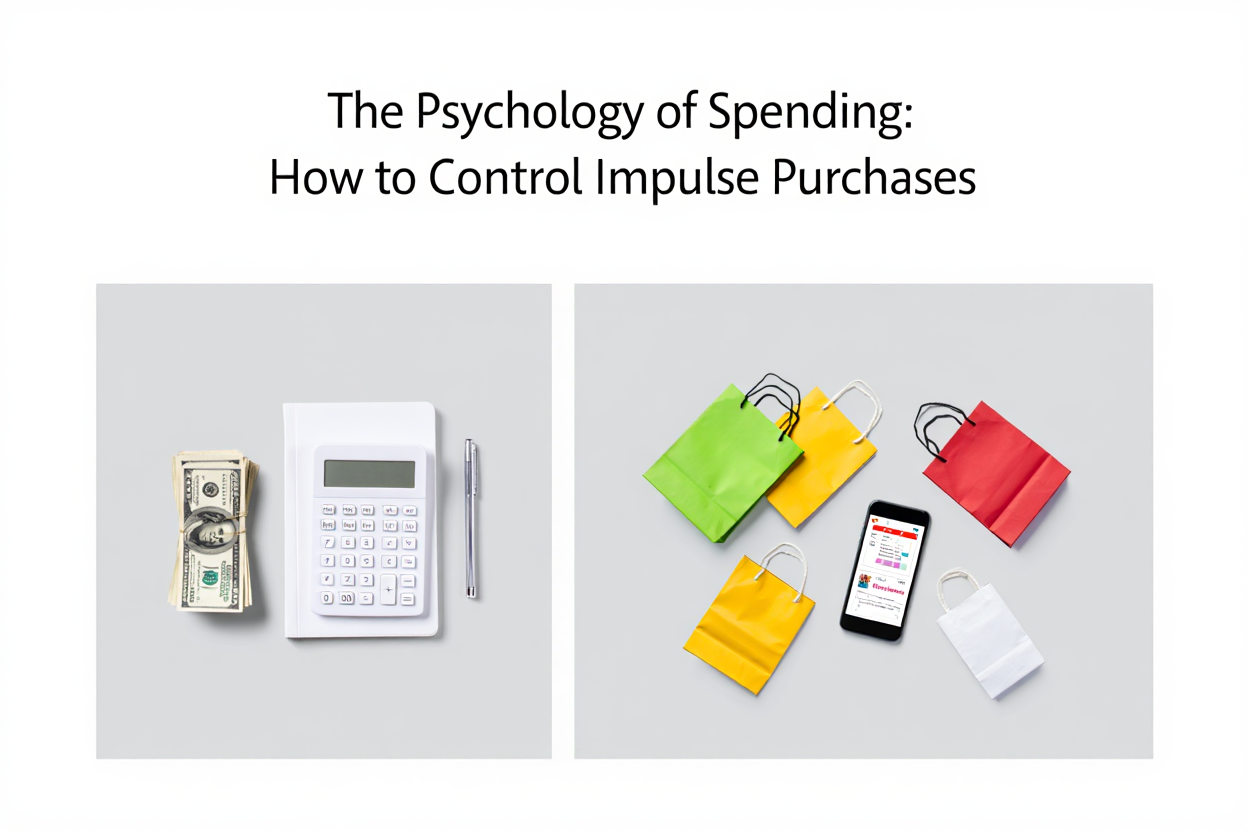
The Psychology of Spending: How to Control Impulse Purchases

In today’s fast-paced, consumer-driven world, impulse buying is more common than ever. With one-click checkouts, targeted ads, and limited-time offers constantly vying for our attention, it’s no wonder many people find themselves struggling to stick to a budget. But why do we make impulse purchases in the first place? And more importantly, how can we stop?

This in-depth guide explores the psychology behind impulse buying and provides practical strategies to help you take control of your spending habits for good.


What Is Impulse Buying?

Impulse buying refers to unplanned purchases driven by emotions rather than logic or need. These purchases often happen spontaneously and are influenced by external stimuli like sales promotions, product placement, or emotional triggers such as stress or boredom.

Examples include:

  • Adding extra items to your cart while grocery shopping
  • Buying clothes you don’t need during an online sale
  • Purchasing gadgets after seeing influencer reviews

The Psychology Behind Impulse Buying

To control impulse spending, it’s crucial to understand the psychological triggers behind it. Here are the most common factors:

1. Instant Gratification

Humans are wired to seek pleasure and avoid pain. Impulse buys provide an instant dopamine rush, making us feel good temporarily. This is especially true when we’re stressed, anxious, or bored.

2. Emotional Spending

Shopping often serves as a coping mechanism for difficult emotions. Whether it’s retail therapy after a breakup or treating yourself after a hard day, emotional spending is a common trigger.

3. Fear of Missing Out (FOMO)

Sales, discounts, and “limited time only” offers tap into our fear of missing out. The urgency pushes us to act quickly, often before we’ve had time to evaluate the purchase.

4. Social Influence

We are influenced by others—friends, family, celebrities, and social media personalities. Seeing others enjoy a product can make us want it too, even if we don’t need it.

5. Neuromarketing Techniques

Marketers use psychological tricks to trigger purchases:

  • Colors like red to signal urgency
  • Scarcity messages (“Only 3 left!”)
  • Countdown timers
  • Personalization

The Hidden Costs of Impulse Buying

Impulse spending may seem harmless, but it can have long-term consequences:

  • Budget Breakdown: Frequent small purchases can derail your budget over time.
  • Debt Accumulation: Impulse spending on credit can lead to high-interest debt.
  • Emotional Guilt: Many people experience buyer’s remorse or shame after impulsive purchases.
  • Clutter and Waste: Buying things you don’t need leads to clutter and waste.

How to Recognize Impulse Triggers

Awareness is the first step in changing behavior. Start by identifying your personal impulse buying triggers:

  • Emotions: Do you shop when you’re sad, angry, or stressed?
  • Environment: Are certain stores or websites more tempting?
  • Time of Day: Are you more likely to shop late at night or when you’re tired?
  • Social Situations: Do you spend more around friends or on social media?

Proven Strategies to Control Impulse Spending

Controlling impulse spending isn’t about deprivation—it’s about being intentional. Use these strategies to take control:

1. Follow the 24-Hour Rule

Wait at least 24 hours before making any non-essential purchase. This cooling-off period gives you time to evaluate if you really need or want the item.

2. Create a Realistic Budget

Set a monthly budget that includes a small amount for discretionary spending. When you allow for fun purchases, you’re less likely to feel restricted.

3. Use Cash or Prepaid Cards

Paying with cash creates a psychological “pain of paying” that credit cards don’t. Prepaid cards or debit cards with set limits can also help curb overspending.

4. Unsubscribe and Unfollow

Reduce exposure to temptation by unsubscribing from promotional emails and unfollowing influencers who encourage consumption.

5. Shop with a List

Whether online or in-store, always shop with a list. Stick to it and avoid browsing other categories.

6. Avoid Shopping When Emotional

Don’t shop when you’re feeling sad, stressed, or bored. Instead, find healthier coping mechanisms like walking, journaling, or calling a friend.

7. Track Your Spending

Use budgeting apps or spreadsheets to track every purchase. Awareness of your habits is a powerful deterrent.

8. Set Financial Goals

Visualize what you’re saving for—a vacation, emergency fund, or debt freedom. Keeping your goals front of mind helps resist impulsive urges.

9. Practice Mindful Spending

Before buying, ask yourself:

  • Do I need this?
  • Can I afford it?
  • Will this matter in a week?
  • Am I buying this to fill an emotional need?

10. Reward Yourself (the Smart Way)

Reward yourself with non-material treats like time off, a favorite activity, or quality time with loved ones. This helps reinforce good habits without spending.


Tools and Resources to Help You Stay on Track

Technology can be a powerful ally in managing your money. Here are some tools to support your efforts:

  • Budgeting Apps: YNAB (You Need A Budget), Mint, PocketGuard
  • Browser Extensions: Honey, Rakuten, or Capital One Shopping can help you avoid paying full price
  • Spending Trackers: Spreadsheets, apps like Goodbudget or EveryDollar
  • Blocking Apps: Freedom, Cold Turkey, or StayFocusd can block shopping sites

Building Better Financial Habits Over Time

Impulse control takes practice. Like any habit, it strengthens with consistency. Here are some long-term approaches:

  • Automate Savings: Set up automatic transfers to your savings account on payday.
  • Practice Gratitude: Regularly reflect on what you already have to reduce desire for more.
  • Accountability Partner: Share your goals with a friend who can help keep you accountable.
  • Financial Education: Read personal finance books or listen to podcasts for ongoing inspiration.

Final Thoughts: Mastering the Mindset

Controlling impulse spending isn’t just about budgeting—it’s about mindset. It requires self-awareness, discipline, and a commitment to long-term financial wellness. By understanding the psychological triggers and implementing intentional strategies, you can transform your relationship with money.

Remember: You don’t have to be perfect. Start small, stay consistent, and celebrate progress along the way.


Your Turn: What are your biggest impulse spending triggers? Have you tried any of these strategies? Let us know in the comments!

Want to go deeper? 👉 Shop for Financial Trackers Now and take the first step toward financial mindfulness today.

#ImpulseSpending #FinancialWellness #BudgetTips #MindfulMoney #MoneyPsychology #SmartSpending

Posted on Leave a comment

💡The Ultimate Guide to Personal Finance Management

Master Your Money. Take Control of Your Future.


🧠 What Is Personal Finance Management?

Definition:
Personal finance management is the strategic planning and handling of your money—covering budgeting, saving, investing, debt management, and goal setting. It empowers you to make smart financial decisions every day.

Why It Matters:

  • Reduces financial stress
  • Increases control over your life
  • Helps build wealth over time
  • Aligns spending with your values
  • Helps achieve both short- and long-term financial goals

💸 1. Start with a Budget

“A budget is telling your money where to go instead of wondering where it went.” — Dave Ramsey

✅ Why Budgeting Is Essential:

  • Creates financial awareness
  • Prevents overspending
  • Ensures savings and debt repayments happen
  • Helps plan for both expected and unexpected costs

📝 How to Create a Personal Budget:

  1. Know Your Net Income:
    Total monthly income after taxes.
  2. Track Monthly Expenses:
    • Fixed: Rent, mortgage, utilities
    • Variable: Food, entertainment, gas
  3. Allocate Funds Wisely:
    • Needs (50%) – essentials like rent, groceries
    • Wants (30%) – dining out, hobbies
    • Savings & Debt (20%) – emergency fund, loans
  4. Use Budgeting Tools:
    Apps like YNAB, Mint, or a Google Sheets template

💡 Pro Tip:

Try the 50/30/20 Rule to simplify your budgeting.


📊 2. Track Your Spending

“You can’t improve what you don’t measure.”

📈 Benefits of Tracking Spending:

  • Spot hidden money leaks
  • Reduce impulse purchases
  • Stay accountable to your budget
  • Align spending with values and goals

📲 How to Track Effectively:

  • Use mobile apps (e.g., PocketGuard, Goodbudget)
  • Set weekly spending limits
  • Categorize every purchase (e.g., Food, Transport, Fun)
  • Review weekly and adjust if needed

🎯 3. Set SMART Financial Goals

“A goal without a plan is just a wish.” — Antoine de Saint-Exupéry

📌 What Are SMART Goals?

  • Specific: Define what you want
  • Measurable: Attach numbers (e.g., $5,000 in 6 months)
  • Achievable: Make sure it’s realistic
  • Relevant: Must matter to you
  • Time-bound: Set a clear deadline

🧭 Examples of SMART Goals:

  • Save $10,000 for a home down payment in 18 months
  • Pay off $3,000 in credit card debt by next December
  • Build a $1,000 emergency fund in 90 days

💡 Pro Tip: Write down your goals and revisit them every month to stay motivated.


💳 4. Manage Debt Wisely

“Debt is the slavery of the free.” — Publilius Syrus

🧠 Understanding Good vs. Bad Debt:

  • Good Debt: Student loans, mortgage (if manageable)
  • 🚫 Bad Debt: High-interest credit cards, payday loans

🔧 Effective Debt Management Strategies:

  • Avalanche Method: Pay highest interest first
  • Snowball Method: Pay smallest balances first for momentum
  • Debt Consolidation: Combine loans into one with lower interest
  • Refinance: If it lowers monthly payments or interest rate

💡 Debt Rules to Live By:

  • Don’t borrow for wants—only for needs
  • Avoid minimum payments—they keep you in debt longer
  • Reevaluate your spending if debt is growing monthly

💰 5. Build an Emergency Fund

Peace of Mind > Panic

🧱 What It Is:

An emergency fund is a financial safety net for unexpected events like job loss, car repairs, or medical emergencies.

📌 Emergency Fund Goals:

  • Starter Goal: $500 to $1,000
  • Long-Term Goal: 3–6 months of living expenses

🔐 Where to Keep It:

  • High-yield savings account
  • Separate from your checking to avoid dipping in

💡 Quick Tip:

Automate small weekly transfers to build your fund effortlessly.


📈 6. Start Saving & Investing Early

“The best time to plant a tree was 20 years ago. The second-best time is now.”

📊 Difference Between Saving and Investing:

  • Saving: Low-risk, short-term goals
  • Investing: Higher risk, long-term wealth building

🏦 Short-Term Savings:

Use for: Travel, emergency fund, holiday gifts
Tools:

  • High-yield savings accounts
  • CDs (Certificates of Deposit)
  • Money market accounts

📈 Long-Term Investing:

Use for: Retirement, home purchase, wealth growth
Tools:

  • Employer 401(k) or IRA
  • Index Funds & ETFs
  • Robo-advisors (e.g., Betterment, Wealthfront)
  • Real estate or REITs

💡 Beginner Tips:

  • Start small ($25/month is enough)
  • Don’t try to time the market
  • Diversify your investments
  • Reinvest dividends for compound growth

🔐 7. Protect Your Finances

You work hard for your money—protect it.

🛡️ Must-Have Financial Safeguards:

  1. Insurance Coverage:
    • Health
    • Auto
    • Renters/Home
    • Life (especially if you have dependents)
  2. Cybersecurity Measures:
    • Use strong, unique passwords
    • Enable 2FA on bank & investment accounts
    • Monitor for phishing scams
  3. Check Your Credit Report:
    • Use AnnualCreditReport.com
    • Review for errors or fraudulent activity
    • Monitor your credit score monthly

💡 Tip: Set calendar reminders to check your financial health quarterly.


📅 8. Review and Adjust Regularly

Your life changes. So should your financial plan.

🔁 Monthly Financial Check-In:

  • Review your budget and expenses
  • Track goal progress
  • Adjust for upcoming events (e.g., holidays, travel)
  • Look for areas to cut back or improve

🔄 Quarterly or Annual Financial Review:

  • Reevaluate goals and priorities
  • Review insurance policies
  • Rebalance investment portfolios
  • Plan big expenses (e.g., home upgrade, education)

💡 Pro Tip: Schedule a “money date” with yourself (or your partner) once a month.


🚀 Final Thoughts: Make Personal Finance a Lifestyle

You don’t need to be a financial expert—you just need a plan and consistency.

Remember:

  • Every dollar has a job
  • Progress > perfection
  • Small habits = big results

🛠️ Ready to Take the First Step?

Start strong with our plug-and-play personal finance templates:

✅ Monthly Budget Planner
✅ Expense Tracker
✅ Debt Payoff Worksheet
✅ Savings Goal Tracker
✅ Net Worth Calculator

📥 Download once. Use forever.
🎯 Designed for clarity, speed, and results.

👉 Explore Digital Financial Trackers

Posted on Leave a comment

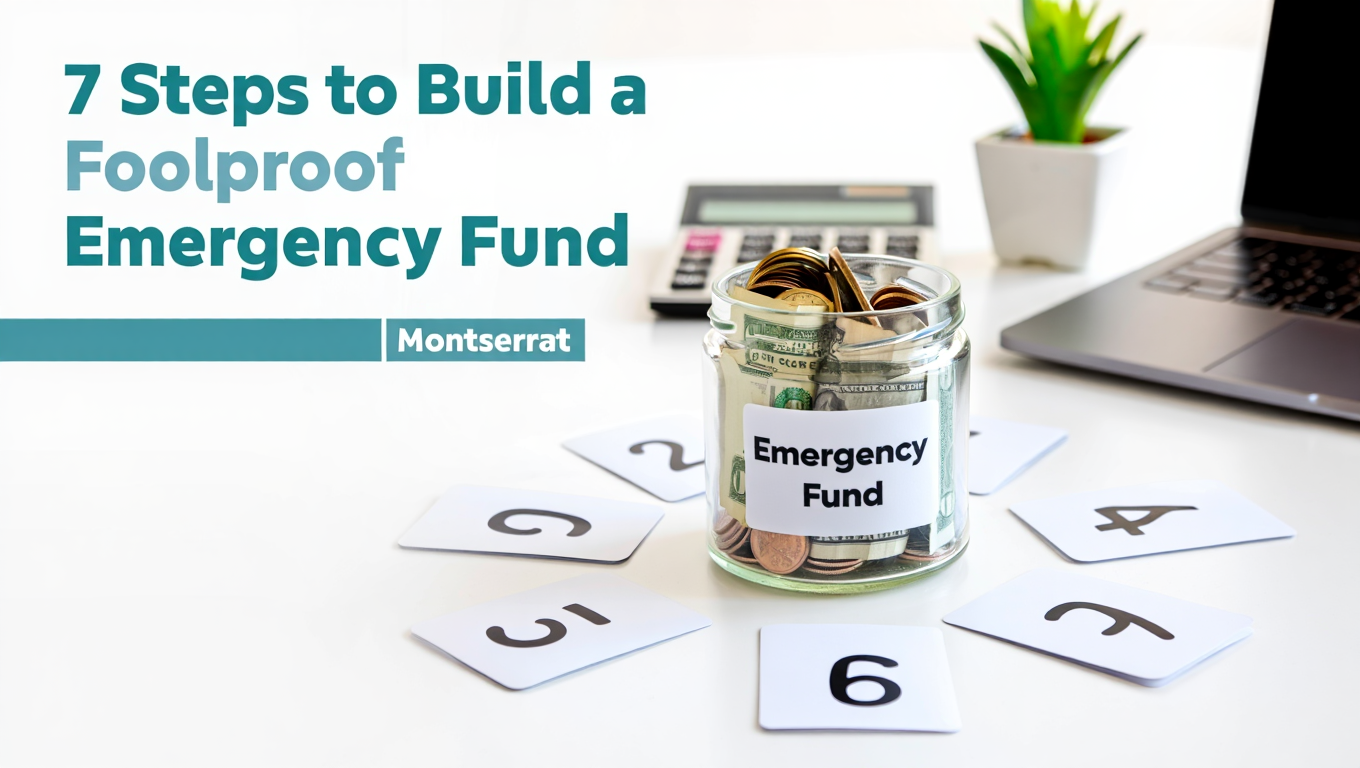
💰 7 Foolproof Steps to Build an Emergency Fund That Actually Works

Because life happens—and your savings should be ready when it does.

Unexpected bills. Job loss. Medical surprises. Car troubles. A pet emergency. Life doesn’t wait for payday.

That’s why an emergency fund isn’t just a “nice to have”—it’s your financial safety net.

If you’ve ever wondered how much you should save, where to put it, or how to build it on a tight budget, you’re in the right place.

Here’s a clear, step-by-step guide to building an emergency fund that protects your future and gives you peace of mind—no finance degree required.


🪜 Step 1: Set a Realistic Savings Goal

Know your number before you start saving.

How much should your emergency fund be? Most experts recommend saving 3–6 months’ worth of essential living expenses. This includes things like:

  • Rent or mortgage
  • Utilities
  • Groceries
  • Transportation
  • Insurance
  • Minimum loan payments

Example:
If your essential monthly costs total $2,000, aim for $6,000 to $12,000 in your emergency fund.

💡 Feeling overwhelmed? Start smaller. Try a beginner goal of $500 or $1,000. Hitting that first milestone builds confidence—and momentum.


🏦 Step 2: Open a Dedicated Savings Account

Keep your emergency fund separate from your everyday spending.

Mixing your emergency savings with your regular checking account makes it way too easy to “accidentally” spend it.

Instead, open a separate, high-yield savings account (HYSA) specifically for emergencies. Here’s what to look for:

✅ No monthly fees
✅ Competitive interest rates (HYSAs earn more than regular savings)
✅ Easy transfers, but not too easy—you don’t want to dip into it impulsively

Pro tip: Nickname the account something motivating like “Rainy Day Fund” or “Future Me.”


🔁 Step 3: Automate Your Savings

Build your fund without even thinking about it.

The easiest way to grow your emergency fund is to make it automatic. Set up recurring transfers from your checking account to your emergency fund every payday.

💡 Start with whatever you can—$10, $25, $100. The key is consistency.

It adds up:

  • $25/week = $1,300/year
  • $50/week = $2,600/year
  • $100/week = $5,200/year

Saving becomes stress-free when it’s out of sight and out of mind.


🧱 Step 4: Start Small, Stay Consistent

Small steps now = big wins later.

You don’t need to put aside thousands overnight. Building a solid emergency fund is like building a brick wall—one brick at a time.

  • Start with what you can afford, even if it’s just spare change.
  • Use roundup apps or bank features that stash away your digital “spare change” from purchases.
  • Challenge yourself to no-spend weekends and put that extra money into savings.

Remember: Consistency beats intensity.

Even $5 a day is over $1,800 a year.


✂️ Step 5: Cut Unnecessary Spending

Make room in your budget by trimming the fat.

You don’t need to go full minimalist—just shift some spending habits.

Here’s how to find extra cash for your emergency fund:

🔍 Audit your expenses:

  • Cancel unused subscriptions
  • Downgrade your streaming plans
  • Cook more meals at home
  • Bring your own coffee 2x a week

🚫 Avoid lifestyle creep:
When your income increases, avoid increasing your expenses right away. Direct that “extra” into savings instead.

Even saving $100/month from budget tweaks = $1,200/year.


🎁 Step 6: Use Windfalls Wisely

Boost your fund without touching your regular paycheck.

When unexpected money comes your way—tax refunds, bonuses, gifts—don’t blow it. Put a portion straight into your emergency fund.

Good rule of thumb?
Save 50%, spend the rest guilt-free.

🧧 Ideas for windfall savings:

  • Tax refund season
  • Birthday or holiday cash
  • Stimulus checks
  • Performance bonus
  • Selling unused stuff online

These lump sums can fast-track your fund and ease your financial stress.


🚨 Step 7: Only Use It for True Emergencies

Your fund is for real crises—not “oops I forgot to budget.”

It’s tempting to dip into your emergency savings for unexpected—but not urgent—expenses. But that defeats the purpose.

✅ Use it for:

  • Medical emergencies
  • Job loss
  • Urgent home or car repairs
  • Emergency travel (funerals, etc.)

❌ Don’t use it for:

  • Vacations
  • Last-minute gifts
  • Concert tickets
  • Online sales “too good to miss”

Set your own “rules” for what counts as an emergency—and stick to them.


🔄 Bonus: Rebuild It Every Time You Use It

Spent your emergency fund? That’s OK. Refill it.

Using your fund means it worked exactly as intended. The next step? Rebuild it as soon as possible.

Treat it like a priority bill:
Set up auto-transfers again, even if it’s just $20/week.

Life will always have surprises. Your emergency fund should too.


💡 Final Thoughts: Progress > Perfection

Don’t wait for “someday” to start saving.

Start small. Start now. Start messy if you have to. But just start.

Your future self will thank you.

💬 “But I live paycheck to paycheck…”
You’re not alone. That’s exactly why building even a tiny emergency fund matters. $100 can be the difference between a stress spiral and a safe landing.

🎯 Take action today:

  • Open that savings account
  • Set up a $10 transfer
  • Celebrate your first $100 saved

📥 Want Help Budgeting So You Can Actually Save?

We’ve created easy-to-use digital templates that take the stress out of managing your money.

✅ Budget planners
✅ Savings trackers
✅ Emergency fund calculators

Perfect for freelancers, side hustlers, and anyone looking to grow their savings—one smart move at a time.

👉 Check out our templates here 💸

Posted on Leave a comment

How to Stay Motivated While Managing Your Finances

Turn financial habits into lifelong success with these proven strategies.

Managing your finances isn’t a one-time event—it’s an ongoing journey. But staying motivated over the long haul? That’s where many people struggle.

If budgeting feels like a chore or saving feels impossible, you’re not alone. The good news is: motivation isn’t something you’re born with—it’s something you can build.

Here’s a comprehensive guide to staying motivated on your financial journey 🔥.


🎯 1. Set Clear, Personal Financial Goals

Why It Matters:
Generic goals like “save money” or “spend less” aren’t emotionally powerful enough to inspire action. Specific, personal goals give you clarity and purpose.

Action Steps:

  • Swap “Save money” with → “Save $5,000 for a Bali trip by next summer”
  • Replace “Pay off debt” with → “Pay off $3,000 in credit card debt within 10 months”

Pro Tip:
Attach emotional reasons to your goals. Travel, freedom, peace of mind—these create powerful emotional anchors that boost commitment.

Visual Idea:
Goal-setting chart with “Dreams vs. Amounts” comparison.


📅 2. Break Big Goals into Small, Achievable Wins

Why It Matters:
Large financial goals can feel overwhelming. By breaking them down into mini-milestones, you create more opportunities for wins—and wins build momentum.

How to Do It:

  • Saving $10,000? Focus on saving your first $500.
  • Cutting expenses? Start by saving $50 this week.
  • Paying off debt? Tackle the smallest balance first.

Pro Tip:
Celebrate each small milestone. Every victory, no matter how tiny, builds your confidence.

Visual Idea:
Step-by-step ladder or “Milestone Tracker” for big goals.


🧠 3. Visualize Your Progress Regularly

Why It Matters:
What you see, you believe. Visual tracking creates a tangible connection between your actions and your results.

Tools You Can Use:

  • Budgeting spreadsheets with charts
  • Mobile apps like Mint or YNAB with visual dashboards
  • Printable savings trackers you color in

Pro Tip:
Place your tracker somewhere visible—your fridge, your desk, your phone’s home screen. A constant reminder keeps motivation high.

Visual Idea:
Progress bar graphics or a “Savings Thermometer” you can fill in.


💬 4. Share Your Financial Journey

Why It Matters:
Talking about money goals with others creates accountability, encouragement, and shared motivation.

Where to Connect:

  • Join personal finance Facebook groups
  • Post updates in finance-focused subreddits
  • Follow inspiring creators on TikTok, YouTube, or Instagram
  • Find an accountability buddy with similar goals

Pro Tip:
You don’t have to broadcast everything. Even sharing with one trusted friend can make a huge difference.

Visual Idea:
Network map showing different community options for financial support.


🎁 5. Reward Yourself—Wisely

Why It Matters:
Motivation isn’t about self-denial. Building healthy, budget-friendly rewards into your plan can keep the process enjoyable and sustainable.

Reward Ideas:

  • Savings goal achieved? Treat yourself to a nice meal.
  • Credit card paid off? Book a mini staycation.
  • Monthly budget success? Buy a book, a new journal, or a coffee date.

Pro Tip:
Pick rewards that don’t derail your progress. A $30 celebration is smarter than a $300 shopping spree.

Visual Idea:
Reward chart linking small achievements to small treats.


🔁 6. Reflect and Adjust Regularly

Why It Matters:
Consistency beats intensity. Regular check-ins ensure you stay on track and adapt when life throws curveballs.

Reflection Questions:

  • What worked this month?
  • What challenges did I face?
  • What changes can I make next month?

Pro Tip:
Schedule financial reviews like appointments. Even 20 minutes per week makes a big difference over time.

Visual Idea:
Calendar with recurring “Money Review Days” highlighted.


Bonus: Daily Habits to Keep Financial Motivation High 🚀

Want to boost your motivation even further? Add these simple daily practices:

✅ Review your financial goal in the morning.
✅ Track expenses in real-time using apps.
✅ Read one page of a personal finance book daily.
✅ Listen to motivating money podcasts while commuting.
✅ Celebrate small acts of discipline every day.

Visual Idea:
Daily checklist for quick motivation boosters.


Final Thoughts: Stay Connected to Your “Why”

Managing your money isn’t just about numbers—it’s about building a life you love.
Each dollar you save, each debt you pay down, each intentional decision you make moves you closer to freedom, security, and abundance.

Remember:

✨ Specific goals spark action.
✨ Small wins build confidence.
✨ Visual progress drives momentum.
✨ Community fuels commitment.
✨ Reflection refines your strategy.

You’ve got everything you need to succeed. Stay consistent, celebrate progress, and never lose sight of the amazing future you’re creating.


Helpful Tools to Stay Motivated 📈

Need some extra support?
Grab our Financial Tracker Templates and Budgeting Spreadsheets—designed to make saving, paying off debt, and reaching your goals easier and more inspiring than ever.

👉 Explore Budgeting Templates