Posted on — Leave a comment

The Benefits of Using a Financial Planner vs. DIY Budgeting: Which One Fits Your Money Goals Best?

Managing your finances is one of the most important skills for building a secure future. But when it comes to budgeting, investing, and planning, should you go it alone or hire a professional?

In this guide, we dive deep into the benefits of DIY budgeting versus working with a financial plannerโ€”so you can decide the best money management path for your unique goals.


1. What Is DIY Budgeting?

DIY (Do-It-Yourself) budgeting means managing your money independently. Whether you use a simple spreadsheet, a budgeting app like YNAB or Mint, or even pen and paper, you are the one creating, tracking, and adjusting your financial plan.

Key Elements of DIY Budgeting:

  • Tracking all income sources
  • Categorizing and monitoring expenses
  • Setting savings goals
  • Adjusting spending habits month to month
  • Handling debt repayment strategies independently

2. Top Benefits of DIY Budgeting

๐Ÿงฉ 1. Full Control Over Your Finances

Every decision is yoursโ€”from how much you allocate to dining out, to how aggressively you save for retirement. DIY budgeting gives you 100% ownership over your money strategy.

๐Ÿ’ธ 2. Cost-Effective and Budget-Friendly

Many budgeting tools are free or low-cost. Apps like Mint offer free services, and creating a custom spreadsheet costs nothing but your time.

๐Ÿง 3. Increased Awareness of Spending Habits

When you log every transaction manually, you naturally become more mindful of where your money goes. This awareness often leads to better financial decisions over time.

๐Ÿ› ๏ธ 4. Highly Flexible and Customizable

You can build your budget around your lifestyle, values, and goals. Want to prioritize travel or start a small side business? You have the flexibility to shift priorities whenever you want.


3. Potential Challenges of DIY Budgeting

While DIY budgeting offers many advantages, it’s not without hurdles:

  • Requires discipline and consistency
  • Can feel overwhelming if your financial situation is complex
  • Lack of professional guidance can lead to missed opportunities or costly mistakes
  • No built-in accountability partner

DIY budgeting works best for those who are:

  • Organized
  • Detail-oriented
  • Comfortable learning financial basics independently

4. What Is a Financial Planner?

A financial planner is a trained professional who offers expert advice on budgeting, saving, investing, tax strategies, debt management, retirement planning, and more.

They help you create a comprehensive financial plan customized to your life goalsโ€”whether that’s early retirement, buying a home, or building generational wealth.

Types of Financial Planners:

  • Fee-Only Planners: Charge a flat rate or hourly fee; no commissions.
  • Commission-Based Planners: Earn money by selling financial products.
  • Fiduciary Planners: Legally required to act in your best financial interest.

5. Top Benefits of Using a Financial Planner

๐ŸŽ“ 1. Expert Knowledge and Strategy

Financial planners bring years of education, certification, and experience to the table. They can help you optimize your financial plan and avoid common mistakes.

๐Ÿง  2. Holistic, Big-Picture Financial Planning

A planner looks beyond your monthly budget. They help design strategies for:

  • Retirement savings
  • Tax minimization
  • Insurance needs
  • Estate planning
  • College funding for children
  • Business succession planning (if you’re a business owner)

๐Ÿค 3. Accountability and Ongoing Support

Regular check-ins with a planner help keep you on track toward your goals. They adjust your plan as your life circumstances changeโ€”like a new job, marriage, or children.

๐Ÿง˜ 4. Reduced Stress and Greater Peace of Mind

Having a financial expert guiding your decisions can alleviate financial anxiety. You’ll feel more confident knowing your money is working as hard for you as possible.


6. Potential Challenges of Hiring a Financial Planner

Working with a planner isnโ€™t the best fit for everyone:

  • Cost can be a barrier (hourly fees, flat rates, or percentage of assets managed)
  • Finding the right planner can take time
  • Risk of conflicts of interest with commission-based planners
  • Less immediate control compared to DIY budgeting

Financial planners are ideal for those who:

  • Have complex financial situations
  • Are preparing for major life events (e.g., home buying, retirement)
  • Want professional, tailored advice

7. Quick Comparison: DIY Budgeting vs. Financial Planner

FeatureDIY BudgetingFinancial Planner
CostLow or freeVaries (hourly, flat fee, or percentage)
CustomizationFully flexibleExpert-guided and strategic
Control100% in your handsShared with a professional
Time InvestmentModerate to highLower for you, handled by planner
ScopeFocused mainly on budgetingComprehensive financial planning
Best ForHands-on, motivated individualsComplex finances or major goals

8. How to Decide: DIY or Hire a Financial Planner?

Ask yourself:

  • โœ… Do I enjoy managing my own money and learning about personal finance?
  • โœ… Are my finances straightforward (e.g., one income source, few debts)?
  • โœ… Do I have time to build and maintain my financial plan?
  • โœ… Am I confident in making long-term financial decisions?

If you answered yes to most of these, DIY budgeting could work well for you.

However, if you:

  • Feel overwhelmed by financial decisions
  • Have multiple goals (e.g., saving for retirement, college, buying a house)
  • Need help optimizing investments or taxes
  • Want expert strategies to grow wealth faster

Then working with a financial planner could be one of the best investments you ever make.


9. Pro Tip: Hybrid Approach = Best of Both Worlds

Many successful individuals use a hybrid strategy:
They budget monthly using DIY tools while consulting a financial planner annually or during major life changes.

This approach combines the cost-effectiveness of DIY budgeting with the expert insight of professional financial adviceโ€”without fully outsourcing your financial life.


10. Final Thoughts: Take Control of Your Financial Future

Whether you choose DIY budgeting or partner with a financial planner, the most important thing is to take action.

  • Engage with your finances regularly
  • Set clear goals
  • Adjust your strategy as your life changes
  • Seek help when needed

Your financial future is built by the choices you make today.
Empower yourselfโ€”whether by mastering your own budget or bringing in expert supportโ€”and create a life youโ€™re excited about.

๐ŸŒŸ Start where you are. Use what you have. Do what you can. Your future self will thank you. ๐ŸŒŸ

๐Ÿ‘‰ Explore Budgeting Templates

Posted on — Leave a comment

How to Stay Motivated While Managing Your Finances

Turn financial habits into lifelong success with these proven strategies.

Managing your finances isnโ€™t a one-time eventโ€”itโ€™s an ongoing journey. But staying motivated over the long haul? Thatโ€™s where many people struggle.

If budgeting feels like a chore or saving feels impossible, youโ€™re not alone. The good news is: motivation isnโ€™t something youโ€™re born withโ€”itโ€™s something you can build.

Hereโ€™s a comprehensive guide to staying motivated on your financial journey ๐Ÿ”ฅ.


๐ŸŽฏ 1. Set Clear, Personal Financial Goals

Why It Matters:
Generic goals like โ€œsave moneyโ€ or โ€œspend lessโ€ arenโ€™t emotionally powerful enough to inspire action. Specific, personal goals give you clarity and purpose.

Action Steps:

  • Swap โ€œSave moneyโ€ with โ†’ โ€œSave $5,000 for a Bali trip by next summerโ€
  • Replace โ€œPay off debtโ€ with โ†’ โ€œPay off $3,000 in credit card debt within 10 monthsโ€

Pro Tip:
Attach emotional reasons to your goals. Travel, freedom, peace of mindโ€”these create powerful emotional anchors that boost commitment.

Visual Idea:
Goal-setting chart with โ€œDreams vs. Amountsโ€ comparison.


๐Ÿ“… 2. Break Big Goals into Small, Achievable Wins

Why It Matters:
Large financial goals can feel overwhelming. By breaking them down into mini-milestones, you create more opportunities for winsโ€”and wins build momentum.

How to Do It:

  • Saving $10,000? Focus on saving your first $500.
  • Cutting expenses? Start by saving $50 this week.
  • Paying off debt? Tackle the smallest balance first.

Pro Tip:
Celebrate each small milestone. Every victory, no matter how tiny, builds your confidence.

Visual Idea:
Step-by-step ladder or “Milestone Tracker” for big goals.


๐Ÿง  3. Visualize Your Progress Regularly

Why It Matters:
What you see, you believe. Visual tracking creates a tangible connection between your actions and your results.

Tools You Can Use:

  • Budgeting spreadsheets with charts
  • Mobile apps like Mint or YNAB with visual dashboards
  • Printable savings trackers you color in

Pro Tip:
Place your tracker somewhere visibleโ€”your fridge, your desk, your phoneโ€™s home screen. A constant reminder keeps motivation high.

Visual Idea:
Progress bar graphics or a โ€œSavings Thermometerโ€ you can fill in.


๐Ÿ’ฌ 4. Share Your Financial Journey

Why It Matters:
Talking about money goals with others creates accountability, encouragement, and shared motivation.

Where to Connect:

  • Join personal finance Facebook groups
  • Post updates in finance-focused subreddits
  • Follow inspiring creators on TikTok, YouTube, or Instagram
  • Find an accountability buddy with similar goals

Pro Tip:
You donโ€™t have to broadcast everything. Even sharing with one trusted friend can make a huge difference.

Visual Idea:
Network map showing different community options for financial support.


๐ŸŽ 5. Reward Yourselfโ€”Wisely

Why It Matters:
Motivation isnโ€™t about self-denial. Building healthy, budget-friendly rewards into your plan can keep the process enjoyable and sustainable.

Reward Ideas:

  • Savings goal achieved? Treat yourself to a nice meal.
  • Credit card paid off? Book a mini staycation.
  • Monthly budget success? Buy a book, a new journal, or a coffee date.

Pro Tip:
Pick rewards that donโ€™t derail your progress. A $30 celebration is smarter than a $300 shopping spree.

Visual Idea:
Reward chart linking small achievements to small treats.


๐Ÿ” 6. Reflect and Adjust Regularly

Why It Matters:
Consistency beats intensity. Regular check-ins ensure you stay on track and adapt when life throws curveballs.

Reflection Questions:

  • What worked this month?
  • What challenges did I face?
  • What changes can I make next month?

Pro Tip:
Schedule financial reviews like appointments. Even 20 minutes per week makes a big difference over time.

Visual Idea:
Calendar with recurring โ€œMoney Review Daysโ€ highlighted.


Bonus: Daily Habits to Keep Financial Motivation High ๐Ÿš€

Want to boost your motivation even further? Add these simple daily practices:

โœ… Review your financial goal in the morning.
โœ… Track expenses in real-time using apps.
โœ… Read one page of a personal finance book daily.
โœ… Listen to motivating money podcasts while commuting.
โœ… Celebrate small acts of discipline every day.

Visual Idea:
Daily checklist for quick motivation boosters.


Final Thoughts: Stay Connected to Your โ€œWhyโ€

Managing your money isnโ€™t just about numbersโ€”itโ€™s about building a life you love.
Each dollar you save, each debt you pay down, each intentional decision you make moves you closer to freedom, security, and abundance.

Remember:

โœจ Specific goals spark action.
โœจ Small wins build confidence.
โœจ Visual progress drives momentum.
โœจ Community fuels commitment.
โœจ Reflection refines your strategy.

Youโ€™ve got everything you need to succeed. Stay consistent, celebrate progress, and never lose sight of the amazing future you’re creating.


Helpful Tools to Stay Motivated ๐Ÿ“ˆ

Need some extra support?
Grab our Financial Tracker Templates and Budgeting Spreadsheetsโ€”designed to make saving, paying off debt, and reaching your goals easier and more inspiring than ever.

๐Ÿ‘‰ Explore Budgeting Templates

Posted on — Leave a comment

๐ŸŽฏ Top 10 Best Budgeting Tools in 2025 to Simplify Your Financial Life

Managing your money shouldnโ€™t feel like rocket science.
With the right tools, you can pay off debt, build savings, and finally feel in control โ€” without spending hours every week tracking every penny.

Hereโ€™s a full guide to the top 10 budgeting tools (apps, spreadsheets, and templates) that make it easier to manage your money in 2025.


๐Ÿงพ 1. Mint (Best Free Budgeting App for Beginners)

Price: Free
Best For: People who want a simple, automated overview.

Mint connects to your bank and credit accounts to automatically track spending, categorize expenses, and monitor bills โ€” all in one dashboard.

โญ Key Features:

  • Automatic expense tracking
  • Custom budget goals
  • Credit score monitoring
  • Alerts for bill due dates and unusual spending

Why You’ll Love It:
If youโ€™re new to budgeting and want a no-fuss, visual dashboard to see where your money goes, Mint is a perfect starting point.


๐Ÿ’ฐ 2. YNAB (You Need A Budget) (Best Paid App for Serious Budgeters)

Price: $14.99/month or $99/year
Best For: People ready to assign every dollar a job.

YNAB uses a zero-based budgeting method to help you proactively plan where your money will go โ€” not guess where it went.

โญ Key Features:

  • Goal tracking (debt payoff, savings, investments)
  • Real-time bank syncing
  • Collaborative budgeting for couples or families
  • Educational workshops and videos

Why You’ll Love It:
YNAB teaches you better money habits and offers a supportive community, making it a top pick for those serious about changing their financial future.


๐Ÿ“Š 3. Google Sheets Budget Templates (Best Customizable Option)

Price: Free or Paid (for premium templates)
Best For: DIY lovers, freelancers, and small business owners.

If you like flexibility and control, Google Sheets templates let you build a personalized budget exactly how you want.

โญ Key Features:

  • Fully customizable layouts
  • No subscriptions or monthly fees
  • Easily track income, expenses, savings, and debt

Pro Tip:
๐Ÿ‘‰ Browse our curated Budgeting Templates Collection for spreadsheets designed to help you hit every financial goal, faster.


๐Ÿ’ธ 4. EveryDollar (Best for Dave Ramsey Fans)

Price: Free basic version; $12.99/month for Plus
Best For: Fans of zero-based budgeting and manual planning.

Created by Ramsey Solutions, EveryDollar follows the classic โ€œgive every dollar a jobโ€ principle.

โญ Key Features:

  • Easy drag-and-drop budget creation
  • Goal tracking (debt snowball, savings)
  • Connects to your bank for automatic updates (Plus version)

Why You’ll Love It:
EveryDollar keeps budgeting simple, motivational, and intentional โ€” perfect if youโ€™re following the Ramsey baby steps.


๐Ÿ“ฑ 5. PocketGuard (Best for Overspenders)

Price: Free basic plan; paid upgrades available
Best For: People who need to see whatโ€™s safe to spend.

PocketGuard shows you exactly how much you can safely spend after accounting for bills, savings goals, and necessities.

โญ Key Features:

  • โ€œIn My Pocketโ€ spending summary
  • Subscription detection and cancellation tools
  • Smart bill negotiation features

Why You’ll Love It:
If you tend to overspend without realizing it, PocketGuard acts like a financial guardrail for everyday purchases.


๐Ÿง  6. Goodbudget (Best for Envelope Budgeting Fans)

Price: Free limited version; $8/month or $70/year for Plus
Best For: Couples and proactive planners.

Goodbudget is a digital envelope budgeting system โ€” giving you virtual โ€œcash envelopesโ€ to allocate money across categories.

โญ Key Features:

  • Manual expense tracking
  • Cloud syncing across multiple devices
  • Goal setting and debt tracking

Why You’ll Love It:
Goodbudget is a great way to be mindful about money and ideal if you prefer a hands-on approach to spending.


๐Ÿ“ˆ 7. Personal Capital (Best Free Tool for Wealth Tracking)

Price: Free
Best For: People who want a full financial picture, not just a budget.

Personal Capital tracks your income, spending, net worth, investments, and retirement accounts โ€” all in one platform.

โญ Key Features:

  • Comprehensive net worth tracking
  • Investment and retirement fee analysis
  • Real-time cash flow dashboards

Why You’ll Love It:
If you’re managing investments alongside everyday finances, Personal Capital gives you the broadest view without overwhelming details.


๐Ÿ” 8. Zeta (Best for Couples Budgeting Together)

Price: Free
Best For: Partners managing money jointly and separately.

Zeta offers shared and individual budgeting features so couples can manage finances together while still maintaining personal freedom.

โญ Key Features:

  • Joint accounts and personal accounts
  • Bill tracking with reminders
  • Secure messaging to discuss money matters

Why You’ll Love It:
Zeta is tailored for modern couples, offering flexible financial management and improving money conversations.


๐Ÿ“… 9. Tiller Money (Best for Spreadsheet Lovers Who Want Automation)

Price: $79/year
Best For: Advanced users who want custom reports without manual entry.

Tiller connects directly to your bank and updates your Google Sheets or Excel spreadsheets automatically, every day.

โญ Key Features:

  • Automatic transaction and balance imports
  • Fully customizable templates
  • Great reporting and analytics

Why You’ll Love It:
Tiller combines the power of spreadsheets with the ease of automation โ€” perfect if you want detailed reports tailored to your style.


๐Ÿงฎ 10. Custom Budget Trackers (Best One-Time Investment)

Price: Paid (one-time download)
Best For: People who want simplicity, offline access, and ownership.

Downloadable budgeting trackers offer specific layouts (monthly vs actual, savings trackers, subscription managers) โ€” without ongoing costs.

โญ Key Features:

  • One-time payment, lifetime use
  • Printable and editable
  • Works offline

Pro Tip:
๐Ÿ‘‰ Grab our Custom Budget Tracker Bundle โ€” perfect for freelancers, side hustlers, students, and busy families.


๐Ÿง  How to Choose the Best Budgeting Tool for You

Choosing the right budgeting tool comes down to a few key factors:

NeedBest Choice
BeginnersMint, EveryDollar
Debt PayoffYNAB, Goodbudget
Couples BudgetingZeta, Goodbudget
Investment TrackingPersonal Capital
DIY CustomizationGoogle Sheets Templates, Tiller Money
Overspending HelpPocketGuard
Offline SimplicityDownloadable Budget Trackers

Ask yourself:

  • Do I want automation or manual tracking?
  • Do I prefer apps or spreadsheets?
  • Am I budgeting solo or with a partner?
  • How detailed do I want my reports to be?

Start with one or two tools โ€” and don’t be afraid to adjust as your life changes!


๐Ÿ’ฌ Final Thoughts: Simplify, Stay Consistent, Succeed

The best budgeting tool is the one youโ€™ll actually use consistently.

Whether you love tech-driven apps, hands-on spreadsheets, or simple printable trackers, the most important thing is building a system you enjoy and trust.

๐ŸŒŸ Start today:

  • Pick one budgeting tool from the list.
  • Set aside 20 minutes to set it up.
  • Review your budget weekly (it gets faster, we promise!).

Want a done-for-you solution thatโ€™s ready in minutes?

๐Ÿ‘‰ Browse Budgeting Templates Now

Posted on — Leave a comment

๐ŸŽฏ The Power of Financial Goals: How to Set and Track Your Progress Like a Pro

When it comes to mastering your money, setting financial goals is one of the most powerful strategies you can use.

Financial goals provide clarity, direction, and motivation. They act like a roadmap, showing you exactly where you want to goโ€”and how to get there.

Whether you’re dreaming of buying your first home, building an emergency fund, or simply breaking free from paycheck-to-paycheck stress, learning how to set and track financial goals can transform your entire financial life.


๐Ÿ’ก Why Financial Goals Matter

Without clear financial goals, money tends to slip through your fingers.
Itโ€™s easy to:

  • Spend impulsively
  • React emotionally to financial challenges
  • Feel overwhelmed by money decisions
  • Struggle without seeing real progress

But when you set strong financial goals, you:

โœ… Give your money a purpose
โœ… Stay focused on what matters
โœ… Reduce financial stress and anxiety
โœ… Make faster, smarter progress
โœ… Stay motivatedโ€”even when challenges pop up

Think of financial goals like your GPS for personal finance.
Every decision you make becomes easier when you have a clear destination.


๐Ÿงญ Step 1: Define Your Financial Goals

Start by getting clear on what you want to achieve.
There are three types of financial goals:

TypeTimeframeExamples
Short-TermWithin 1 yearBuild a $1,000 emergency fund, pay off small debt, save for a vacation
Medium-Term1โ€“5 yearsSave for a home down payment, buy a car, fund a wedding
Long-Term5+ yearsRetirement savings, pay off mortgage, build investment portfolio

๐Ÿš€ Examples of Financial Goals:

  • Save $1,000 for an emergency fund in 6 months
  • Pay off $5,000 in credit card debt within 18 months
  • Save $20,000 for a down payment in 3 years
  • Build a $50,000 retirement fund by age 40
  • Start investing $200 a month for long-term growth

๐Ÿ‘‰ Pro Tip:
Be honest with yourself.
Ask: What do I really want my money to do for me?


โœ… Step 2: Make Your Goals SMART

Not all goals are created equal.
SMART goals give you a serious advantage.

๐Ÿ”ต S โ€“ Specific: Clear and focused
๐Ÿ”ต M โ€“ Measurable: Easy to track
๐Ÿ”ต A โ€“ Achievable: Realistic based on your current situation
๐Ÿ”ต R โ€“ Relevant: Aligned with your personal values
๐Ÿ”ต T โ€“ Time-bound: A clear deadline


๐Ÿ“Œ SMART Goal Example:

โŒ Bad goal: โ€œI want to save more money.โ€
โœ… Great goal: โ€œI will save $3,000 for a new laptop by December 1, 2025.โ€

Why itโ€™s SMART:

  • Specific (save $3,000 for a laptop)
  • Measurable (clear dollar amount)
  • Achievable (doable with a plan)
  • Relevant (needed for work and hobbies)
  • Time-bound (set deadline)

๐Ÿ‘‰ Pro Tip:
If your goal isnโ€™t SMART yet, tweak it until it checks every box.


๐Ÿ“Š Step 3: Break Big Goals Into Small Steps

Large financial goals can feel overwhelming.
The solution? Micro-goals.

๐Ÿ’ฌ Example:

Big Goal: Save $3,000 for a laptop
Breakdown:

  • Save $300 per month
  • OR about $75 per week

๐Ÿ’ก Tip:
Make each small step a mini-goal you can celebrate when you hit it!

๐ŸŽฏ Why Small Steps Matter:

  • Keep motivation high
  • Make progress feel manageable
  • Build momentum quickly
  • Stay committed through setbacks

๐Ÿ‘‰ Pro Tip:
Visualize every $100 or $500 milestoneโ€”treat it like leveling up!


๐Ÿงพ Step 4: Track Your Progress Consistently

Tracking is the secret weapon behind goal achievement.

When you track, you:

๐Ÿ”ต See exactly how far you’ve come
๐Ÿ”ต Stay accountable to yourself
๐Ÿ”ต Spot problems early
๐Ÿ”ต Adjust when life changes
๐Ÿ”ต Celebrate your wins


๐Ÿ› ๏ธ Best Tools for Tracking Financial Goals:

ToolWhy Itโ€™s Awesome
Budgeting appsAutomated, real-time progress
SpreadsheetsFully customizable
Financial templatesOrganized, visual, easy to use
Pen + paperOld-school but powerful

๐Ÿ“ˆ Track with Visuals:

  • Progress bars
  • Savings thermometers
  • Pie charts or graphs
  • Monthly snapshot dashboards

๐Ÿ‘‰ Helpful Resource: Browse Financial Goal Trackers

Posted on — Leave a comment

๐ŸŽฏ How to Create a Budget That Actually Works for You (Step-by-Step Guide)

Letโ€™s be honest: budgeting usually gets a bad rap.
For many people, it sounds restrictive, complicated, or just plain boring.

But hereโ€™s the truth:
A good budget isnโ€™t about punishment. Itโ€™s about freedomโ€”freedom to reach your goals, feel less stressed, and take control of your money in a way that actually fits your life.

The key?
Create a budget that works for youโ€”not your neighbor, not your favorite finance influencer, but you.

Ready to build a budget that finally sticks?
Hereโ€™s your complete roadmap:


Step 1: Set Clear, Meaningful Financial Goals ๐Ÿ

Before you even open a spreadsheet or calculator, stop and think:
Why are you budgeting in the first place?

Your goals give your budget real purpose. Without them, itโ€™s easy to lose motivation.

โœ… Some common financial goals include:

  • Paying off credit card debt or student loans
  • Saving for a dream vacation, home, or car
  • Building a 3โ€“6 month emergency fund
  • Investing for retirement or financial independence
  • Increasing your monthly cash flow

๐Ÿ–Š๏ธ Action Step:
Write down 2โ€“3 short-term goals (next 6โ€“12 months) and 1โ€“2 long-term goals (next 1โ€“5 years).

๐Ÿ”Ž Pro Tip: Make your goals SMART (Specific, Measurable, Achievable, Relevant, Time-bound) for best results.


Step 2: Calculate Your True Monthly Income ๐Ÿ’ต

Now, letโ€™s talk about what youโ€™re working with each month.

When budgeting, focus on your actual take-home income after taxesโ€”not your gross salary.

Include:

  • Salary or hourly wages
  • Freelance, side gig, or business income
  • Rental income or child support
  • Passive income (dividends, royalties, etc.)

๐Ÿ“‰ If your income fluctuates:
Take an average of the last 3โ€“6 months, and plan using the lowest month as your base.

This ensures youโ€™re never caught short during a slower month.


Step 3: Track and Categorize Your Expenses ๐Ÿ“‹

To build a realistic budget, you need a clear picture of where your money is actually going.

Break down your monthly expenses into three main categories:

1. Fixed Expenses (Essentials you must pay)

  • Rent or mortgage
  • Utilities
  • Insurance premiums
  • Subscriptions (Netflix, Spotify, etc.)

2. Variable Expenses (Costs that change month to month)

  • Groceries
  • Transportation (gas, public transit)
  • Dining out
  • Entertainment
  • Shopping

3. Financial Goals

  • Debt repayments
  • Savings contributions
  • Investments

๐Ÿ”Ž Action Step:
Use a budgeting app, spreadsheet, or even a notebook to track everything.

You’ll be surprised where those โ€œlittleโ€ expenses add up.


Step 4: Choose the Right Budgeting Method for Your Life ๐Ÿ”ฅ

Not all budgets are created equal.
The best budgeting style is the one youโ€™ll actually stick with.

Here are three proven methods to consider:

1. 50/30/20 Rule

  • 50% for Needs (housing, food, transportation)
  • 30% for Wants (dining out, entertainment)
  • 20% for Savings and Debt Repayment

โœ”๏ธ Simple, flexible, and perfect for beginners.

2. Zero-Based Budget

Every dollar gets assigned a job until your income minus expenses equals $0.

โœ”๏ธ Best if you like detailed control and accountability.

3. Pay Yourself First

You prioritize savings and investments first, then spend what’s left.

โœ”๏ธ Perfect if your main goal is building wealth and creating long-term financial security.

๐Ÿ–Š๏ธ Action Step:
Pick a method that fits your lifestyle and money mindset.
You can always tweak it as you go!


Step 5: Monitor Your Spending (Consistency is Key) ๐Ÿ“ˆ

Tracking your expenses regularly is where your budget goes from theory to reality.

Without monitoring, your budget is just a good guess.

Hereโ€™s how to make it easy:

  • Update your spending once a week (it only takes 10โ€“15 minutes)
  • Use a budgeting app like YNAB, Mint, or a simple Google Sheet
  • Check your bank and credit card statements weekly

๐Ÿ“Œ Remember:
Small leaks sink big ships. Catch overspending early before it derails your progress!


Step 6: Review and Adjust Monthly ๐Ÿ”„

Life changesโ€”and so should your budget.
Review your progress monthly to make necessary tweaks.

During your monthly review, ask:

  • What categories went over budget?
  • What savings goals did I hit?
  • What changes (income, bills, habits) are coming up?

๐Ÿ–Š๏ธ Action Step:
Set a calendar reminder for a 30-minute โ€œBudget Review Dayโ€ once a month. Bring snacks. Make it fun!

๐Ÿ”Ž Pro Tip: If something isnโ€™t working (like always overspending on food), adjust your category instead of beating yourself up.


Step 7: Make Your Budget Sustainable Long-Term ๐ŸŒฑ

A budget you hate is a budget you won’t stick to.

Build a plan that supports both your goals and your lifestyle.

Hereโ€™s how to keep it sustainable:

  • Budget for fun! (Yes, really. Lifeโ€™s meant to be lived.)
  • Celebrate small winsโ€”new savings record? Reward yourself!
  • Keep your goals visible with vision boards, sticky notes, or phone lock screens.
  • Donโ€™t let one โ€œbadโ€ month make you quit. Adjust, learn, and keep moving forward.

๐ŸŽฏ Success Tip:
Budgeting isnโ€™t about being perfect. Itโ€™s about being intentional with your money.


๐Ÿ“Š Quick Infographic Summary (Save This!)

StepWhat to DoWhy It Matters
1Set Financial GoalsGive your budget purpose
2Calculate IncomeKnow your real money
3List ExpensesFind spending leaks
4Choose a Budgeting MethodMake it fit your lifestyle
5Track WeeklyStay accountable
6Adjust MonthlyKeep it realistic
7Make it Fun and SustainableStay motivated long-term

๐Ÿ”ฅ Final Thoughts: Your Budget, Your Rules

Creating a budget that actually works for you isn’t about deprivationโ€”itโ€™s about freedom.
Itโ€™s about making sure your money reflects your priorities and dreams.

With the right tools, goals, and mindset, youโ€™ll stop feeling like money controls youโ€”and start feeling like you control your money.

Youโ€™ve got this. ๐Ÿ™Œ


๐ŸŒŸ Bonus: Want to Make Budgeting Even Easier?

๐Ÿ‘‰ Download one of our ready-to-use budget templates, built for clarity, flexibility, and long-term success.

Posted on — Leave a comment

Mastering Your Money: A Beginnerโ€™s Guide to Financial Tracking

Feeling like your money disappears each month?
Youโ€™re not alone. Learning how to track your finances is the first step to gaining financial freedomโ€”and itโ€™s easier than you think.
This complete guide will walk you through what financial tracking is, why it matters, how to get started, and the tools that make it simple.


๐Ÿง  What Is Financial Trackingโ€”and Why Does It Matter?

Financial tracking is the practice of recording every dollar you earn, spend, save, and invest.
When you track your money, you:

  • โœ… Understand exactly where your money is going
  • โœ… Spot leaks and unnecessary spending
  • โœ… Build better budgets based on real habits
  • โœ… Hit financial goals faster (saving, investing, paying debt)
  • โœ… Reduce money-related stress

Think of it like giving every dollar a jobโ€”and making sure it gets done.

SEO Tip: Regular financial tracking is essential for budgeting beginners, saving money faster, and improving financial literacy.


๐Ÿ“‹ Step 1: Know Your Numbers

Before you can improve your finances, you need to know your starting point.

Hereโ€™s what to gather:

CategoryWhat It Includes
IncomeSalary, side hustles, freelance gigs (after taxes)
Fixed ExpensesRent, insurance, subscriptions, car payments
Variable ExpensesGroceries, gas, entertainment, dining out
Savings & DebtEmergency fund contributions, loan repayments

๐Ÿ› ๏ธ Pro Tip:
Use a financial snapshot spreadsheet or a budget app to easily log these figures in one place.


๐Ÿงพ Step 2: Track Every Single Expense

You canโ€™t control what you donโ€™t measure.
Start today by tracking every dollar you spend.

๐Ÿ“ Ways to Track:

  • Pen & Paper: Traditional but effective
  • Digital Spreadsheet: (like Google Sheets or Excel)
  • Automated Budget Apps:
    • Mint
    • YNAB (You Need a Budget)
    • PocketGuard

๐Ÿ”ฅ Hybrid Method (Best for Beginners):

Use a simple monthly tracker where you input expenses manually, and it auto-calculates totals for you.

Keyword Reminder: How to track daily expenses | Best budget trackers for beginners


๐Ÿ“Š Step 3: Categorize Your Spending

Breaking expenses into categories makes your spending habits crystal clear.

Common Budget Categories:

  • ๐Ÿ  Housing (Rent, mortgage)
  • โšก Utilities (Electricity, water, internet)
  • ๐ŸŽ Groceries (Food, household essentials)
  • ๐Ÿš— Transportation (Fuel, car maintenance, public transport)
  • ๐ŸŽ‰ Entertainment (Streaming services, hobbies, nights out)
  • ๐Ÿ’ณ Debt Payments (Credit cards, loans)
  • ๐Ÿฆ Savings & Investments

Why Categorize?

  • See where most of your money goes
  • Identify easy areas to cut back
  • Set more realistic budgets for next month

๐Ÿ” SEO Bonus Tip:
Using popular search terms like “best budgeting categories” helps boost visibility.


๐ŸŽฏ Step 4: Set Clear, Actionable Financial Goals

Tracking without a goal = wandering without a map.

Define exactly what you want your money to accomplish.

GoalExample Target
Build an Emergency FundSave $1,000 in 6 months
Pay Off Credit Card DebtPay $5,000 in 18 months
Save for a VacationSet aside $2,000 in 12 months
Buy a HomeGrow a $15,000 down payment fund

๐Ÿน Make Goals SMART:

  • Specific (Clear outcome)
  • Measurable (Track progress)
  • Achievable (Realistic)
  • Relevant (Fits your priorities)
  • Time-bound (Set a deadline)

๐Ÿ“ˆ Motivation Tip:
Track your goal progress visuallyโ€”use a progress thermometer chart or a goal tracker app.


๐Ÿ”„ Step 5: Review and Adjust Regularly

Financial tracking isnโ€™t a one-and-done deal.
Successful budgeters review and adjust regularly.

Your Monthly Review Checklist:

  • โœ… Compare budgeted vs. actual spending
  • โœ… Check goal progress (are you on track?)
  • โœ… Identify unexpected expenses
  • โœ… Adjust next monthโ€™s budget based on learnings

๐Ÿ“… Set a 10-minute Weekly Money Check-In:
Treat it like an appointment you canโ€™t miss. Consistency beats intensity!


๐Ÿง  Keeping It Simple: The Secret to Long-Term Success

Many beginners quit because they overcomplicate financial tracking.

Start simple:

  • Focus on major categories only
  • Use one spreadsheet or one app
  • Do weekly 5โ€“10 minute updates

๐Ÿš€ Remember:
Progress > Perfection.
Small winsโ€”like saving an extra $20 or spotting a useless subscriptionโ€”compound over time into big financial victories.


โšก Bonus Tools and Resources to Jumpstart Your Journey

๐Ÿ› ๏ธ Best Free Financial Tracking Tools:

  • Mint: Budgeting + expense tracking (free)
  • YNAB: Helps you โ€œgive every dollar a jobโ€ (paid, with free trial)
  • EveryDollar: Zero-based budgeting made easy

๐Ÿงพ Free Printable Budget Templates:

  • Monthly expense tracker
  • Debt payoff tracker
  • Weekly savings challenge sheets

๐Ÿš€ Final Thoughts: Take Control of Your Money Today

Tracking your finances might sound tedious, but itโ€™s actually the key to unlocking financial freedom.

With just a few simple habits:

  • Youโ€™ll spend with confidence
  • Youโ€™ll save smarter and faster
  • Youโ€™ll ditch debt for good
  • Youโ€™ll build a future youโ€™re excited about

๐ŸŽฏ Ready to take control of your money?
Start today with our easy-to-use Financial Tracking Google sheetsโ€”built for beginners who want fast, clear results.

Posted on — Leave a comment

๐ŸŽฏ Why Tracking Your Expenses Daily Can Transform Your Finances

Have you ever reached the end of the month wondering where your money went? Youโ€™re not alone. Many people make the mistake of checking their bank account after they’ve already overspent. But thereโ€™s a simple habit that can completely change the way you manage money: daily expense tracking.

In this article, weโ€™ll break down why tracking your expenses daily is a powerful financial habit, and how it can help you gain control, reduce stress, and reach your goals faster.


๐Ÿ’ก What Is Daily Expense Tracking?

Daily expense tracking means recording every single purchase you make, every single day.
Itโ€™s about building awareness around your money โ€” and using that awareness to make smarter decisions.

You should track everything, including:

  • โ˜• Morning coffee runs
  • ๐Ÿ›’ Grocery shopping trips
  • ๐Ÿ“ฆ Online subscriptions (yes, even those $5 ones!)
  • ๐Ÿ›๏ธ Impulse buys at your favorite stores
  • ๐Ÿš— Gas, parking fees, rideshares
  • ๐Ÿ” Casual lunches and snacks

The ultimate goal?
โœ… Know exactly where your money goes
โœ… Make more intentional choices
โœ… Stay in full control of your finances


๐Ÿš€ 1. It Boosts Financial Awareness

“You can’t improve what you don’t measure.”

When you track your expenses daily, you get real-time financial feedback.

No more wondering where your paycheck disappeared.
No more end-of-the-month surprises.

Instead, youโ€™ll know:

  • ๐Ÿ“Š Exactly how much you’ve spent today, this week, and this month
  • ๐Ÿ“‰ Which spending categories eat up most of your money
  • ๐Ÿ”Ž Where bad habits are hiding in plain sight

Financial awareness is the foundation of financial empowerment.

When youโ€™re fully aware of your spending, you naturally:

  • Spend more mindfully
  • Plan more strategically
  • Stress less about bills

SEO Tip Inserted: Daily money tracking builds financial literacy and confidence.


๐Ÿ’ธ 2. It Helps You Stick to Your Budget

You can create the most beautiful budget in the world โ€” but without tracking, itโ€™s just a wish list.

Daily expense tracking is the secret to budget success.

It acts like:

  • ๐Ÿ›ก๏ธ Your defense system against overspending
  • ๐Ÿ“ˆ Your daily progress tracker
  • ๐Ÿšฆ Your “stoplight” when a category nears its limit

When you track your spending every day, you can:

  • Catch overspending early โ€” before it snowballs
  • Make small course corrections instead of drastic cutbacks
  • Feel confident that you’re sticking to your financial plan

๐Ÿ’ฌ Pro Tip:
Use apps or spreadsheets that show budgeted vs. actual spending in each category.
Visuals = instant accountability.


โš ๏ธ 3. It Prevents Impulse Spending

Impulse purchases are one of the fastest ways to derail your finances.
But tracking your expenses daily builds a natural pause between desire and action.

Before you hit โ€œbuy nowโ€ or swipe your card, youโ€™ll think:

“Do I really want to record this unnecessary expense?”

This microsecond of hesitation can help you:

  • ๐Ÿ›‘ Curb emotional, spur-of-the-moment buys
  • ๐Ÿ›๏ธ Prioritize needs over fleeting wants
  • ๐Ÿง  Practice mindful spending habits

Every time you choose not to make a purchase you would regret later, youโ€™re building your financial strength.

SEO Tip Inserted: Expense tracking reduces emotional spending and promotes financial discipline.


๐Ÿ’ฐ 4. It Reveals Hidden Expenses

Some expenses feel small at the moment but add up significantly over time.

When you track everything daily, you start to see:

๐Ÿ” Patterns youโ€™ve overlooked

  • $10 subscriptions you forgot you signed up for
  • $5 lattes that turn into $150/month
  • “Quick” Amazon orders stacking up weekly

๐Ÿ” Sneaky recurring charges

  • Streaming services you rarely watch
  • Gym memberships you stopped using
  • Software trials you never canceled

Once you see it, you can fix it.

Cancel. Adjust. Reallocate.
Put that money toward savings, investments, or debt repayment instead!

๐Ÿ’ฌ Quick Challenge:
Track every subscription you have today. Youโ€™ll be shocked at the total!


๐Ÿ“ˆ 5. It Accelerates Your Financial Goals

Want to:

  • Pay off debt faster?
  • Grow your savings?
  • Invest more for your future?

Daily expense tracking is the shortcut.

Hereโ€™s why:

  • Youโ€™ll spend less on things you donโ€™t truly value
  • Youโ€™ll have more money left at the end of the month
  • Youโ€™ll make smarter choices with your money, every single day

Over time, this leads to:

  • โšก Faster debt payoff
  • ๐Ÿ“ˆ Bigger emergency funds
  • ๐Ÿก Saving for major milestones like buying a home

Tracking your spending is like compound interest for your habits:
Small daily actions build massive long-term results.


๐Ÿ› ๏ธ How To Start Daily Expense Tracking (Step-by-Step)

You donโ€™t need a fancy system to start.
Consistency > Perfection.

1๏ธโƒฃ Pick Your Tracking Method

Choose one that fits your style:

  • ๐Ÿ““ Notebook and pen
  • ๐Ÿงฎ Spreadsheet (Google Sheets, Excel)
  • ๐Ÿ“ฑ Budgeting apps (YNAB, EveryDollar, Mint, PocketGuard)

Tip: Pick a method you can access easily on the go.


2๏ธโƒฃ Set Up Simple Categories

Avoid overcomplicating it.
Start with broad groups like:

  • Food
  • Transportation
  • Housing/Bills
  • Health
  • Fun/Entertainment
  • Miscellaneous

You can fine-tune categories later if needed.


3๏ธโƒฃ Record Every Single Expense

Yes โ€” every. single. one.

  • Log purchases immediately after spending
  • Or set aside 5 minutes at the end of each day to record everything

๐Ÿš€ Pro Tip: Turn this into part of an existing routine โ€” like logging your spending while brushing your teeth at night.


4๏ธโƒฃ Review Your Spending Weekly

Schedule a Weekly Money Check-In:

  • Review where your money went
  • Spot overspending trends
  • Adjust budget categories if needed

The faster you spot problems, the easier they are to fix.


5๏ธโƒฃ Stay Consistent

Building a habit takes time.

Set reminders on your phone.
Pair it with an existing habit (like morning coffee or bedtime).
Reward yourself for sticking to it after 7, 14, and 30 days!

SEO Tip Inserted: Daily expense tracking only works when it becomes a consistent, automatic habit.


โœ… Final Thoughts: Small Habit, Big Financial Wins

Daily expense tracking is a game-changer.

Itโ€™s simple.
It takes less than 5 minutes a day.
And it can radically transform your financial life.

With this one habit, you will:

  • Gain complete clarity on your money
  • Make budgeting second nature
  • Avoid debt traps and financial anxiety
  • Reach your financial goals faster

Imagine a future where you know, every day, that your money is working for you โ€” not disappearing without a trace


โœจ Ready to Start?

Grab Our Pre-Made Daily Expense Tracker Templates!

๐Ÿ“ Beautifully designed
๐Ÿ“Š Easy to use (digital + printable)
๐ŸŽฏ Built for busy people who want fast results

๐Ÿ‘‰ Explore our Expense Trackers


Posted on — Leave a comment

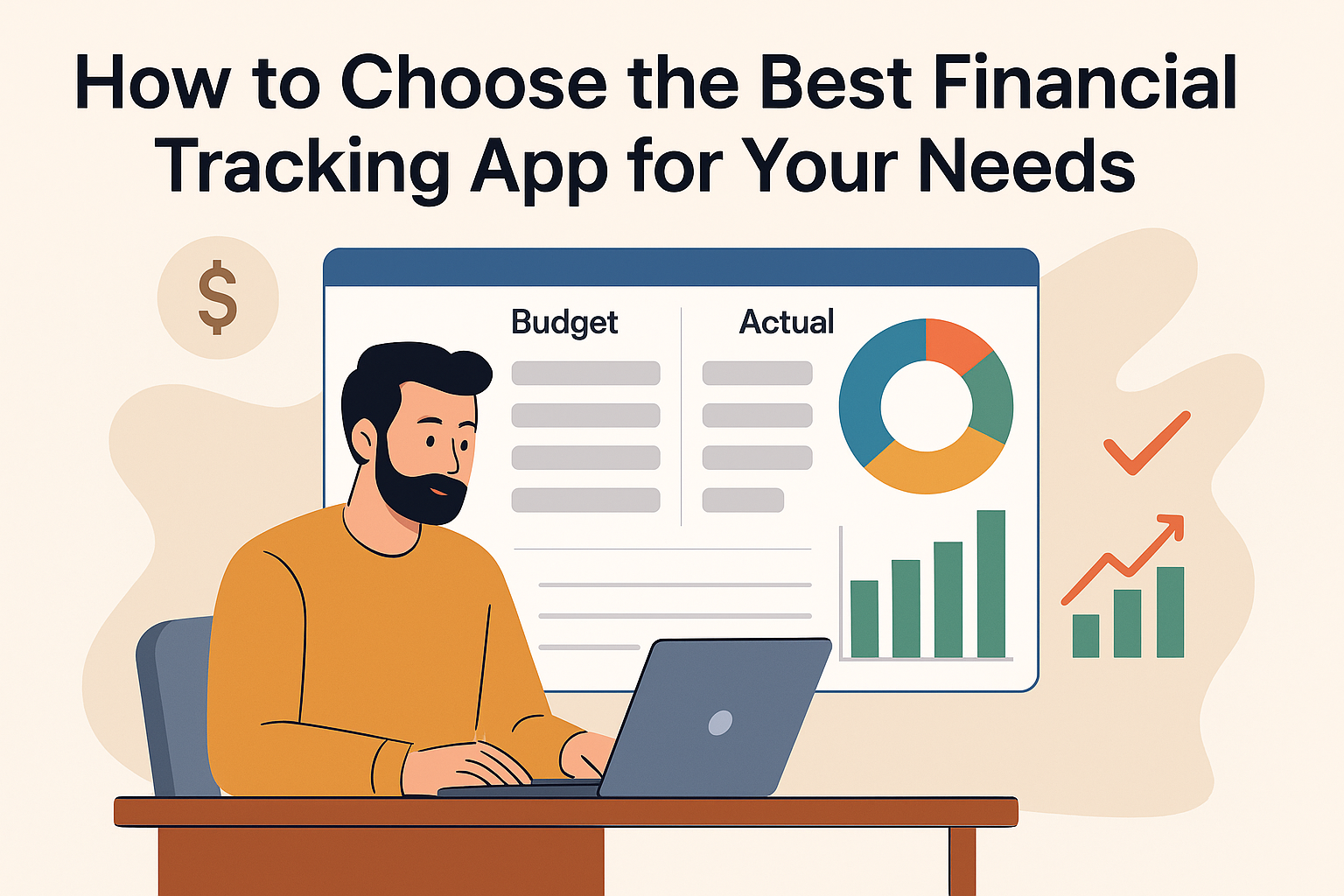
How to Choose the Best Financial Tracking App for Your Needs

The Ultimate Step-by-Step Guide


๐Ÿง  Step 1: Understand What You Need to Track

Before downloading any app, stop and think:
What kind of financial data do I need to track?

โœ… Personal Finances:

  • Everyday expenses
  • Salary and side income
  • Bills, subscriptions, and savings goals

โœ… Freelance or Business Finances:

  • Invoicing clients
  • Tracking deductible expenses
  • Monitoring project budgets and cash flow

โœ… Family or Shared Finances:

  • Joint household expenses
  • Shared savings goals
  • Childcare, groceries, mortgage payments

๐ŸŽฏ Pro Tip:
Identifying your primary financial activities will instantly filter out apps that don’t match your needs.


๐Ÿ“ฑ Step 2: Look for Essential Core Features

A good financial tracking app should make your life easier, not more complicated.
Key Features to Look For:

๐Ÿ”น Expense Tracking:
Easily log daily spending, categorize expenses, and identify spending patterns.

๐Ÿ”น Income Management:
Track multiple income streams like salaries, freelance projects, or passive income.

๐Ÿ”น Budget Creation and Monitoring:
Set monthly or project-based budgets and get real-time updates.

๐Ÿ”น Customizable Categories:
Tailor spending and income categories to match your lifestyle.

๐Ÿ”น Visual Summaries:
Beautiful graphs, pie charts, and dashboards that show exactly where your money is going.

๐Ÿ”น Data Export Options:
Easily export data to Excel, Google Sheets, or PDFs for backups and advanced reporting.

๐Ÿ”น Automatic Bank Syncing:
(Optional) Link your accounts for real-time updates.
Tip: Only link if you trust the appโ€™s security!


๐Ÿ’ป Step 3: Choose Based on Platform and Accessibility

Where and how you access your financial tracker matters just as much as the features it offers.

๐Ÿ“ฑ Mobile Apps:
Ideal if you need quick entries, notifications, or on-the-go access.

๐Ÿ–ฅ๏ธ Desktop Software:
Perfect for deep analysis, detailed reports, and bigger screens.

๐Ÿ“„ Google Sheets or Excel Templates:
For full control, zero subscription fees, and maximum customization.

โ˜๏ธ Cloud Syncing:
Access your data across multiple devices seamlessly.

๐Ÿ“ด Offline Mode:
Critical if you often work without internet access.

๐ŸŽฏ Pro Tip:
Think about your daily routine. Choose an app that fits your flowโ€”not the other way around.


๐Ÿ” Step 4: Prioritize Privacy and Security

When it comes to your financial data, trust is non-negotiable.

๐Ÿ›ก๏ธ Essential Security Features:

  • Two-Factor Authentication (2FA): Extra login security
  • End-to-End Encryption: Your data stays private
  • Zero Bank Linking Option: Choose apps that allow manual entry if you prefer
  • Transparent Privacy Policies: Know exactly how your data is stored and used

โ— Warning:
If an app feels shady about how it handles your data, walk away.


๐Ÿ’ธ Step 5: Match the App to Your Budget

Not every great app comes with a high price tag.
Many of the best financial tracking solutions are surprisingly affordableโ€”or even free!

๐Ÿ“ˆ Typical Pricing Models:

  • Free: Great for basic needs, often supported by ads.
  • One-Time Purchase: Popular for spreadsheets and downloadable templates.
  • Monthly Subscription: Continuous updates and new features, but adds up over time.
  • Annual Subscription: Discounted yearly rates compared to monthly plans.

๐ŸŽฏ Pro Tip:
Avoid apps with hidden fees. Always read the fine print before subscribing.


๐Ÿ’ฌ Step 6: Read Reviews and Test Drive Before Committing

Not every app that sounds perfect on paper will feel perfect in your hands.

๐Ÿ” Research Tips:

  • User Reviews: Look for feedback about reliability, ease of use, and customer support.
  • YouTube Demos: Watch quick walkthroughs to see real user experiences.
  • Free Trials: Most apps offer 7โ€“30 days freeโ€”use it to fully test features.
  • Refund Policies: Know your options in case youโ€™re not satisfied.

๐ŸŽฏ Pro Tip:
An app might check all the boxes but still feel clunky to you. Always test before committing!


โœจ Bonus Tip: Start With a Financial Tracker Spreadsheet

If youโ€™re unsure where to begin, a spreadsheet is often the best first step.

๐Ÿ“„ Why Spreadsheets Are a Great Starting Point:

  • Beginner-Friendly: No steep learning curve.
  • Highly Customizable: Tweak categories, formulas, and layouts however you like.
  • Low-Cost or Free: One-time purchases or free templates available.
  • Full Control Over Data: No external apps storing your information.
  • Offline Access: No internet required to manage your finances.

๐ŸŽฏ Perfect For:

  • Freelancers
  • Small business owners
  • Budget-conscious individuals
  • People who value privacy and control

๐Ÿ“Œ Quick Recap: Choosing Your Perfect Financial Tracker

1. Identify your tracking needs โ†’ Personal, business, family?
2. List the features you canโ€™t live without โ†’ Expenses, income, budgets, dashboards?
3. Choose the right platform โ†’ Mobile, desktop, spreadsheet?
4. Prioritize privacy and security โ†’ 2FA, encryption, manual entry?
5. Pick a plan that fits your budget โ†’ Free, one-time, or subscription?
6. Test drive and read reviews โ†’ Hands-on experience matters!


๐ŸŽฏ Final Thoughts: Your Financial Future Starts with the Right Tools

The truth is, the best financial tracking app is the one that matches your personal habits and goals.

Maybe it’s a sleek app packed with automation and fancy dashboards.
Maybe it’s a no-frills spreadsheet that you designed yourself.
Either way, it should make managing your money simpler, not harder.

โœ… Take your time to compare options.
โœ… Test a few before settling.
โœ… Choose the one that feels right for your workflow.

When you find the right fit, youโ€™ll stay motivated, stay organized, and move closer to your financial goalsโ€”one transaction at a time.


Need a simple and powerful way to track your income and expenses?
๐Ÿ‘‰ Check out our ready-made digital trackers built in Google Sheets โ€” made for freelancers, creators, and business owners who want to stay on top of their money without the overwhelm.